How Exercise Lowers Blood Pressure (and How Much You Need)
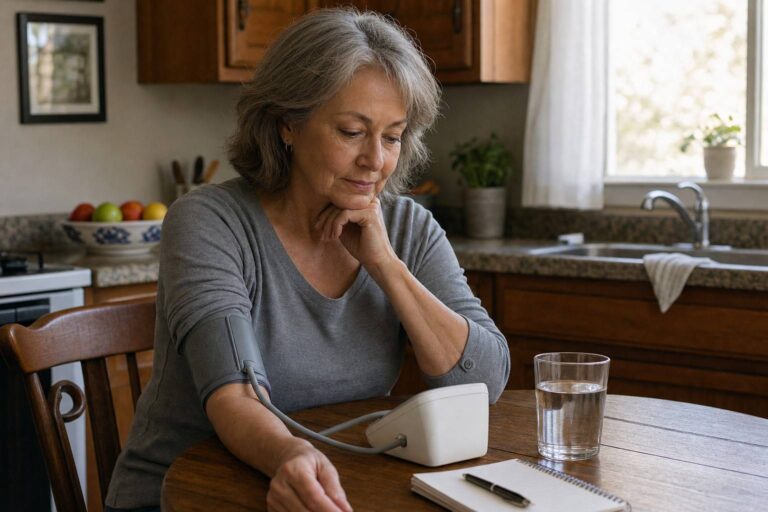
Exercise to lower blood pressure can work as well as a medication for some people. Here is what the research shows about how much, what type, and how fast.

Exercise to lower blood pressure can work as well as a medication for some people. Here is what the research shows about how much, what type, and how fast.

Exercise can lift your mood within minutes. Here is what is known about the brain chemistry behind that lift, and how much movement it takes.

Long stretches of sitting are linked to higher health risks, and short walking breaks lowered blood sugar after meals in trials. Here is how often to move.
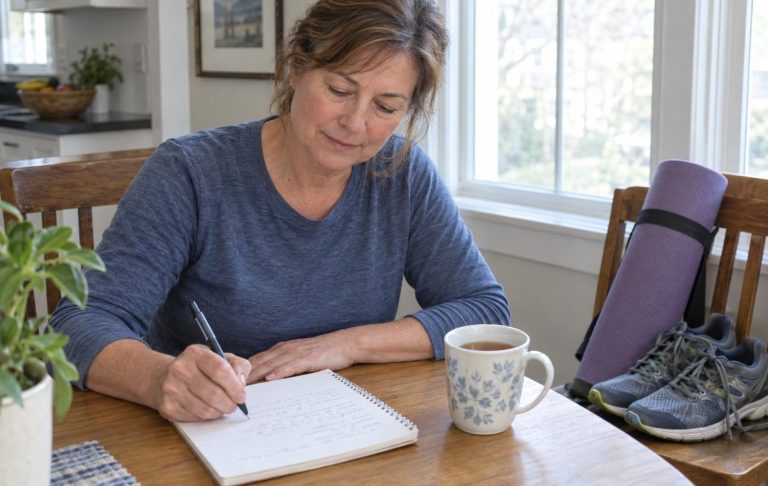
Three or four sessions a week is a good start for a routine that lasts. Here is how to build one around your week and when to rest.
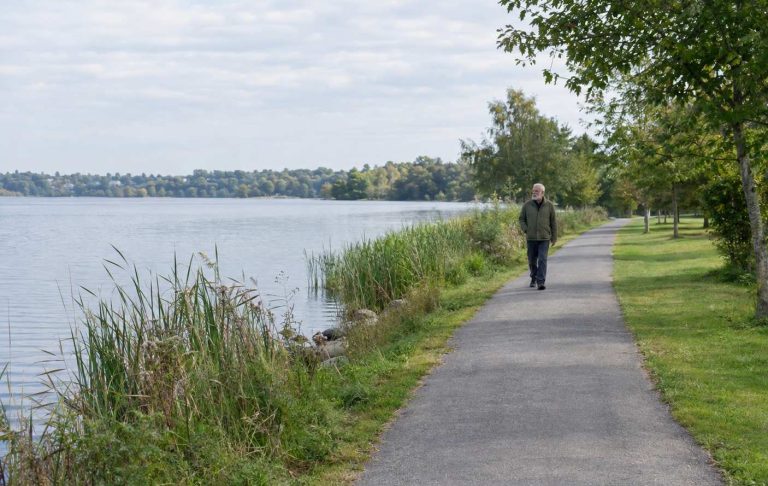
Walking is good for your heart, mood, joints and sleep. Here is what research says it does and how much to aim for.
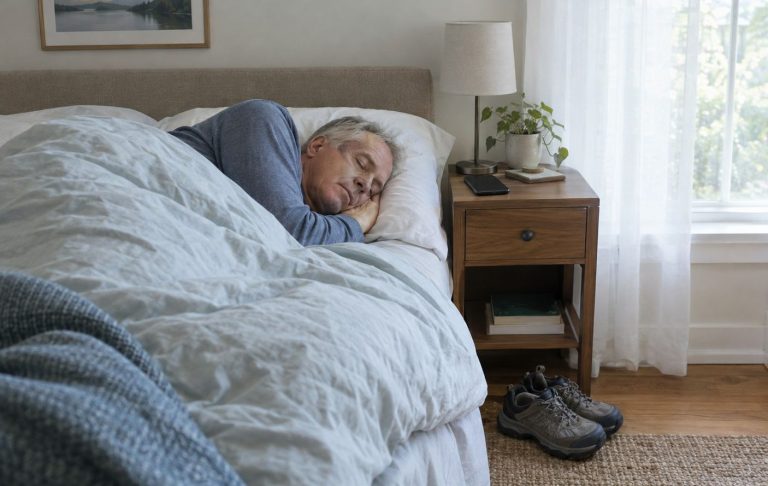
Regular exercise is linked to better sleep. Here is what research says about how much to do, which kind helps and when to finish before bed.
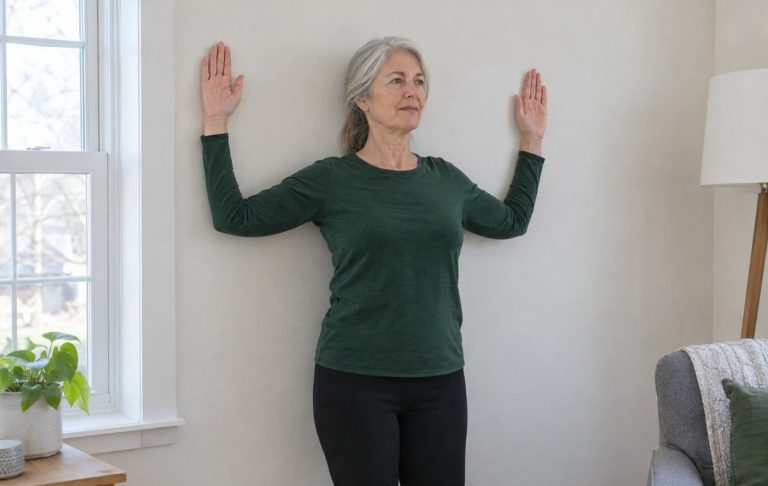
Back and core strength, a few gentle chest stretches and small daily habits can help you stand and sit taller. Here is a simple, no-gym routine.
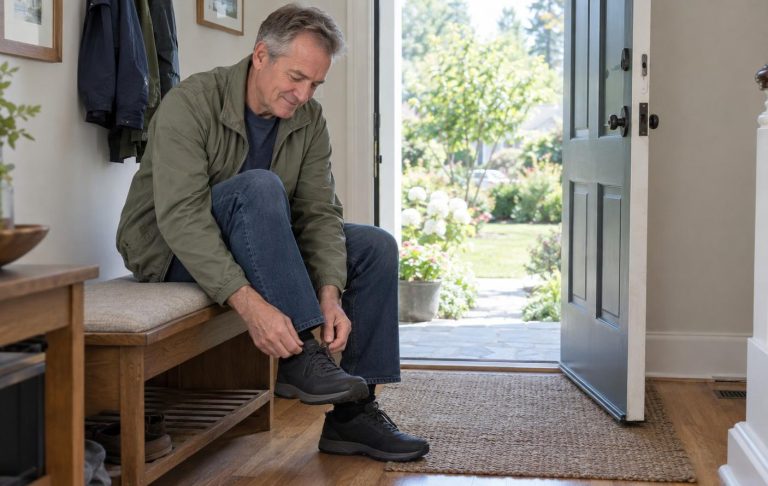
Realistic goals start with knowing where you are today. Here is how to find your starting point, set small goals and track what matters.

If workouts feel like a chore, you can still build a habit. Start with movement you enjoy, keep it short, set small goals and tell someone your plan.

Protein becomes more important as you get older. Muscle mass and strength tend to decline with age. Older adults often need more protein than the basic adult minimum to help maintain muscle and physical function. Expert guidance from the PROT-AGE…