
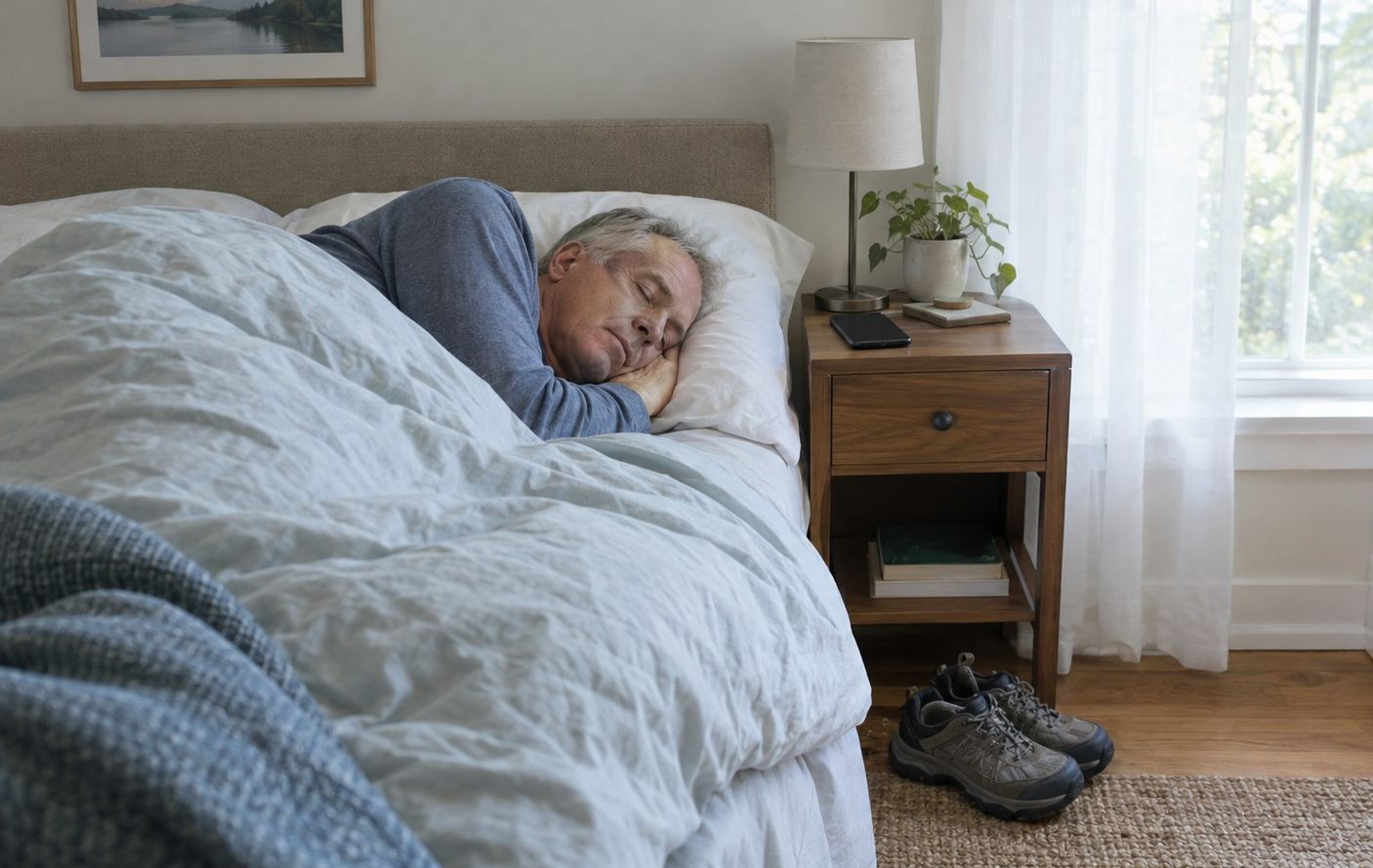
Regular exercise is one of the most consistent habits linked to better sleep.
Aerobic exercise and strength training both improved sleep quality in a review of 86 trials. A steady routine you can keep matters more than a perfect plan.
How Much Exercise Do You Need for Better Sleep?
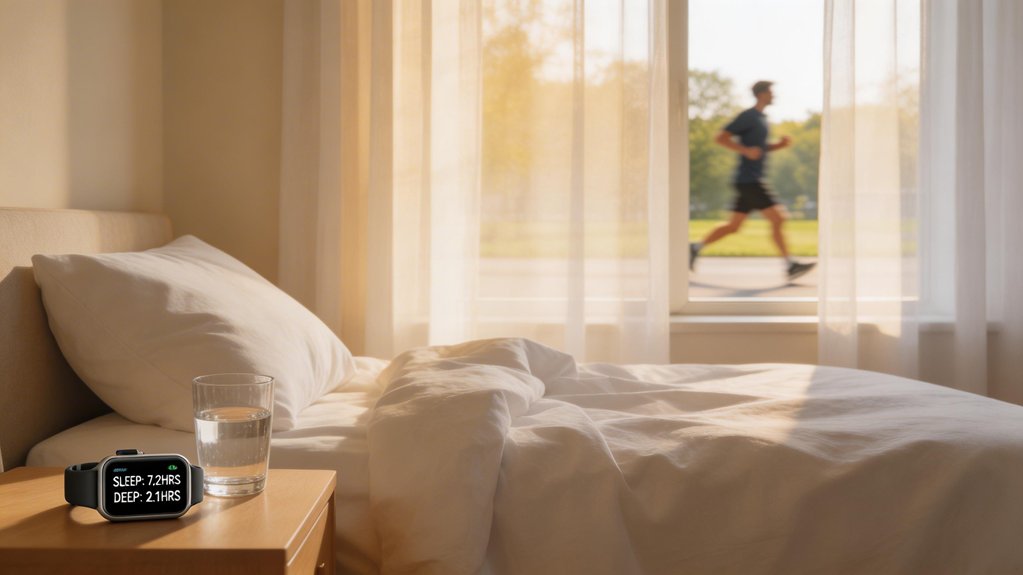
A 2025 review pooled 86 trials with 7,276 people. It found that aerobic exercise and resistance training both improved sleep quality compared with no exercise.
The link between dose and sleep was not a straight line. More was not always better, which supports a steady, moderate routine.
The authors’ best-fit amount was 920 MET-minutes a week. A MET-minute multiplies minutes by effort, so brisker or longer sessions add up faster.
A steady, moderate routine of aerobic exercise, strength work or both is a sound aim for better sleep.
Time of day matters less than regularity. What research says about the best time to exercise goes into the details.
Building safe exercise habits after fifty takes the same consistency that helps sleep.
What Is the Best Time to Work Out for Sleep?
Many people worry that an evening workout will keep them awake. A review of 23 studies found that evening exercise did not harm sleep overall, and if anything helped.
Sleep might suffer after vigorous exercise that ends within an hour of bedtime.
Evening exercise is fine for most people, so finish vigorous workouts at least an hour before bed. If you still have trouble falling asleep, move your workout earlier.
Walking counts as aerobic exercise. How many steps matter is covered on another page.
Which Type of Exercise Helps Sleep Most?
In the 2025 review, every type improved sleep quality compared with no exercise. Pilates ranked highest, followed by aerobic exercise.
Resistance training, combined training, tai chi-style practices and yoga also helped.
Every type of exercise helped, so choose the one you will keep doing.
Rest days give your body time to recover. Understanding rest days explains how to plan them.
How Can You Build a Sleep-Friendly Routine?
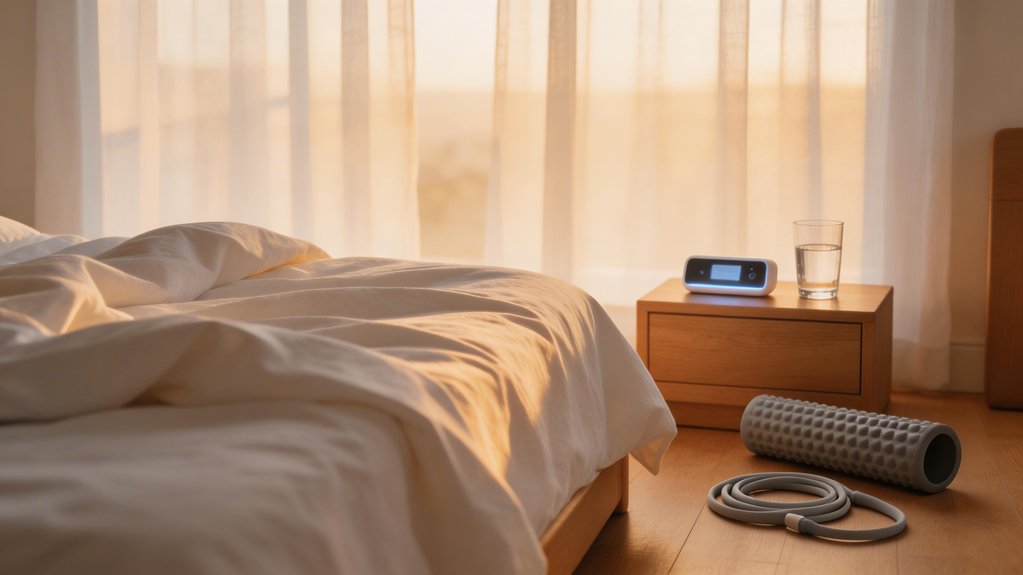
Keep it simple: some walking, some strength work, and your last hard effort at least an hour before bed.
- Walk or do other aerobic exercise most days.
- Add strength work, such as bands or light weights, on two days.
- Finish vigorous efforts at least an hour before bedtime.
- Try gentler options such as stretching or tai chi if you like them.
Beginners can build a habit without overdoing it. Low-impact exercises are a good place to start.
Why Does Exercise Improve Sleep?
A meta-analysis found that acute and chronic exercise increased slow-wave sleep and total sleep time, and shortened the time it takes to fall asleep. It also slightly reduced REM sleep.
Exactly how this works is not fully settled.
Exercise tends to deepen sleep and shorten the time it takes to fall asleep.
If you snore loudly, wake up gasping or stay tired after a full night in bed, ask your doctor about a sleep check.