
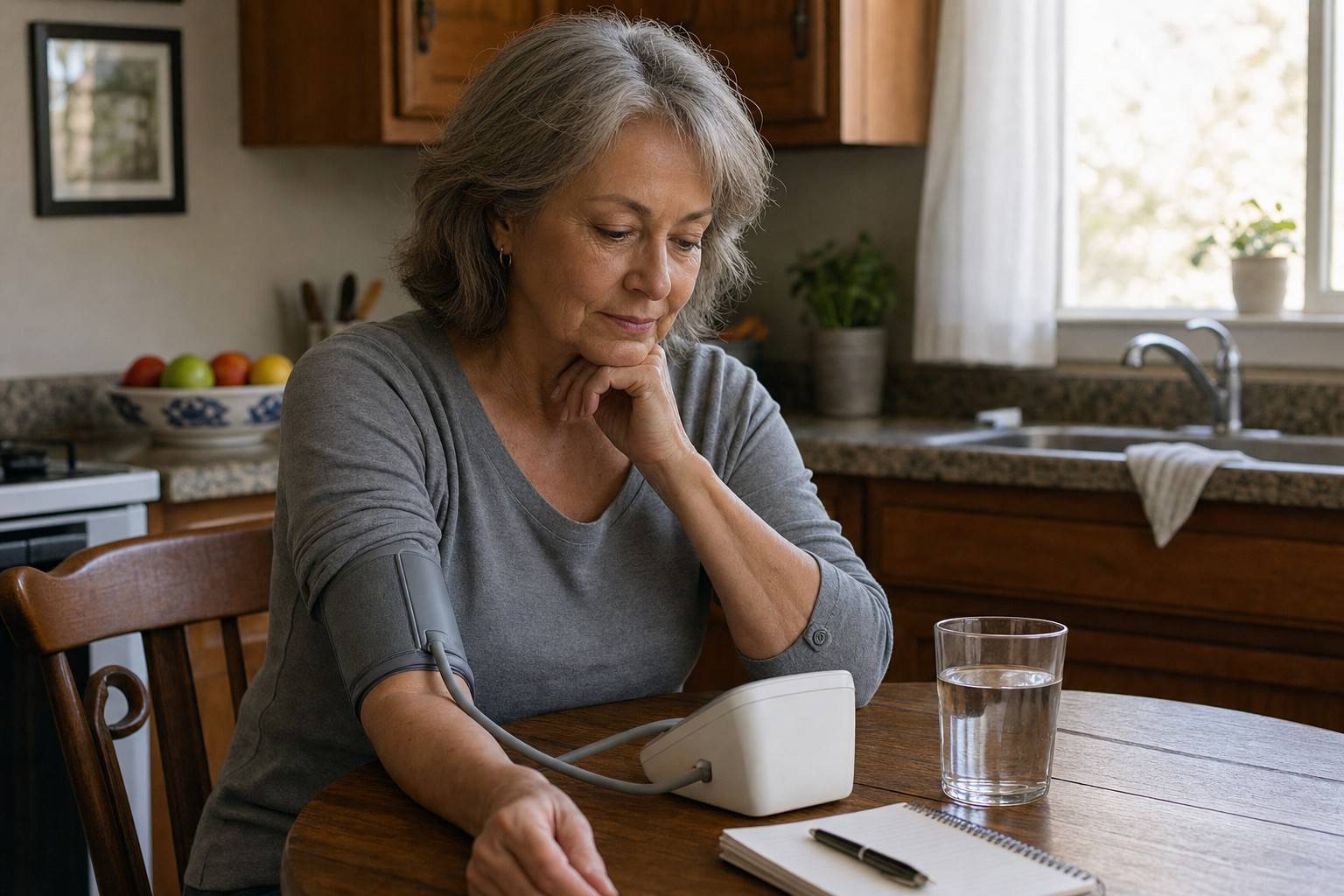
Regular aerobic exercise can lower systolic blood pressure by roughly 5 to 8 mmHg. Mayo Clinic notes that this is comparable to the effect of some single blood pressure medications.
A doctor’s nudge about blood pressure is often the moment people in their 50s and 60s decide it is time to start moving.
Exercise lowers blood pressure through real, physical changes in your body.
This is not motivational language. There are measurable mechanisms behind it.
What Exercise Actually Does to Your Blood Vessels

Your heart pumps against resistance in your blood vessels every time it beats. When those vessels become stiffer and less flexible with age, your heart has to push harder.
That extra push is what shows up as elevated pressure on the cuff.
Regular aerobic exercise improves the elasticity of your vessel walls. Over time, vessels that were rigid become more responsive, and the heart does not need to work as hard at rest.
A lower resting heart rate is another piece of it. Fit hearts pump more blood per beat, so they beat less often. Fewer beats per minute means lower pressure throughout the day.
Modest weight loss adds to the effect. Movement burns calories, and excess body weight places additional demand on the cardiovascular system.
The Dose That Actually Works
Most current guidelines point to roughly 150 minutes of moderate aerobic activity per week. The American Heart Association recommends this level and reports it can produce meaningful reductions in resting blood pressure.
That works out to about 30 minutes on most days. It does not have to be continuous. Three ten-minute walks add up to the same effect.
Strength training adds to the benefit. Two sessions per week covering the major muscle groups is a reasonable target. You do not need a gym. Resistance bands, bodyweight exercises, and carrying groceries count.
The key condition is consistency. Mayo Clinic is direct on this point: it takes about one to three months of regular exercise to affect blood pressure, and the benefit lasts only as long as you keep exercising.
Mayo gives no figure for how fast the pressure climbs back once you stop.
For more on dose and duration, understanding how much walking produces real health benefits covers what the evidence says.
The Exercise Type Most People Have Never Considered

Here is a finding that surprises most people: isometric exercise produces some of the largest reductions in resting blood pressure of any exercise type.
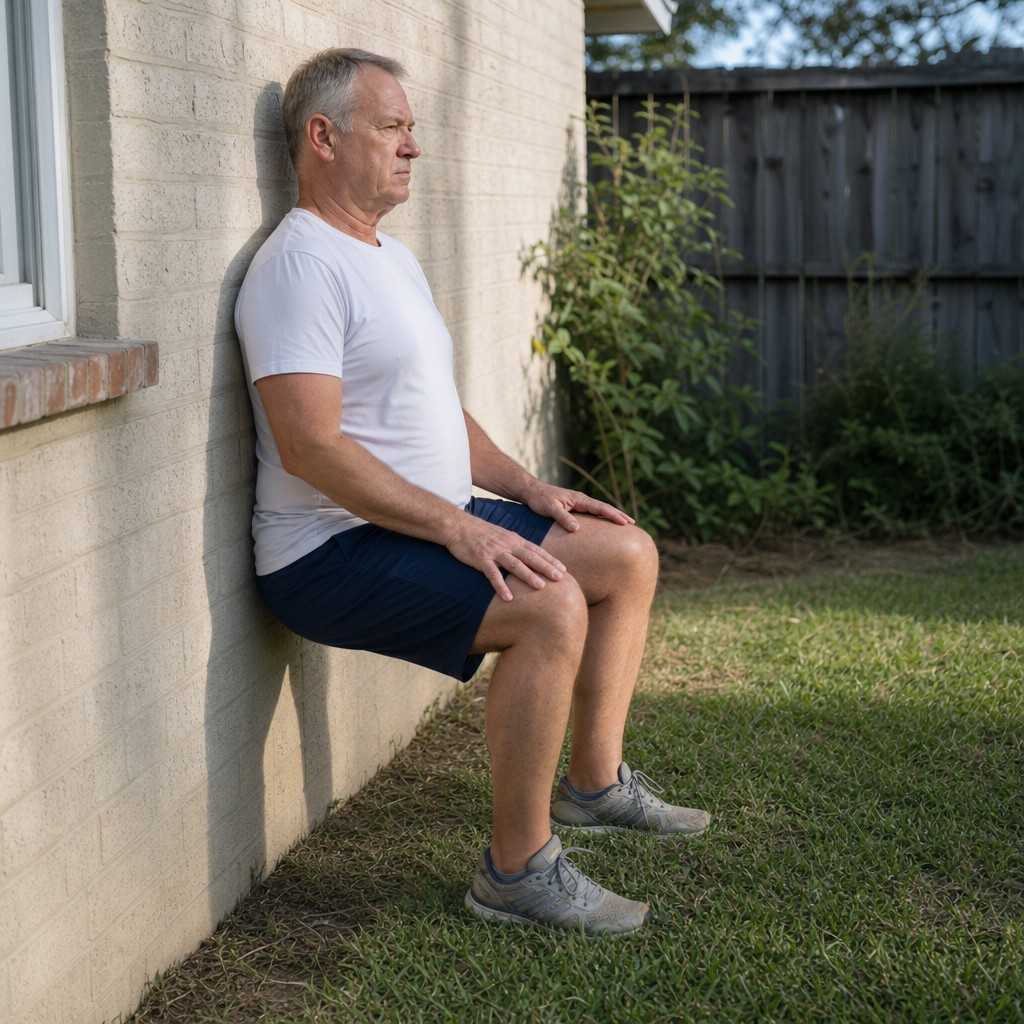
Isometric exercises are ones where you hold a position against resistance without movement. Wall sits are the most accessible example.
You lower your back against a wall until your thighs are roughly parallel to the floor, then hold for 30 to 60 seconds.
A 2023 meta-analysis in the British Journal of Sports Medicine reviewed hundreds of exercise trials. Researchers found that isometric training, including wall sits and hand-grip holds, produced the largest average reductions in resting blood pressure compared to other exercise types.
During an isometric hold, blood flow is briefly restricted, then rushes back when you release. That cycle appears to train blood vessels to regulate pressure more efficiently over time.
You can add wall-sit sets to the end of a walk with no equipment at all.
Walking Is Still the Foundation
Walking is still the most practical starting point for most people. It is free, low-impact, and the dose is easy to control.
For blood pressure benefits, moderate intensity is the target. You should be able to hold a conversation while moving. If you want a guide to finding that range, understanding target heart rate for safe exercise explains it clearly.
For anyone just getting started, benefits of walking for overall health covers why this one habit has so much evidence behind it.
You do not need to push hard to get results. Sustained moderate effort, done consistently, is what the research supports.
A Note on Safety and Monitoring
There is one technique to avoid during strength work: the Valsalva maneuver. This is when you hold your breath and bear down against a closed airway while lifting.
It creates a sharp, temporary spike in blood pressure. Breathe steadily through your reps, exhaling on the effort phase.
If your blood pressure is very high or uncontrolled, check with your doctor before starting a new exercise program. Medication interactions can affect how your body responds to exertion.
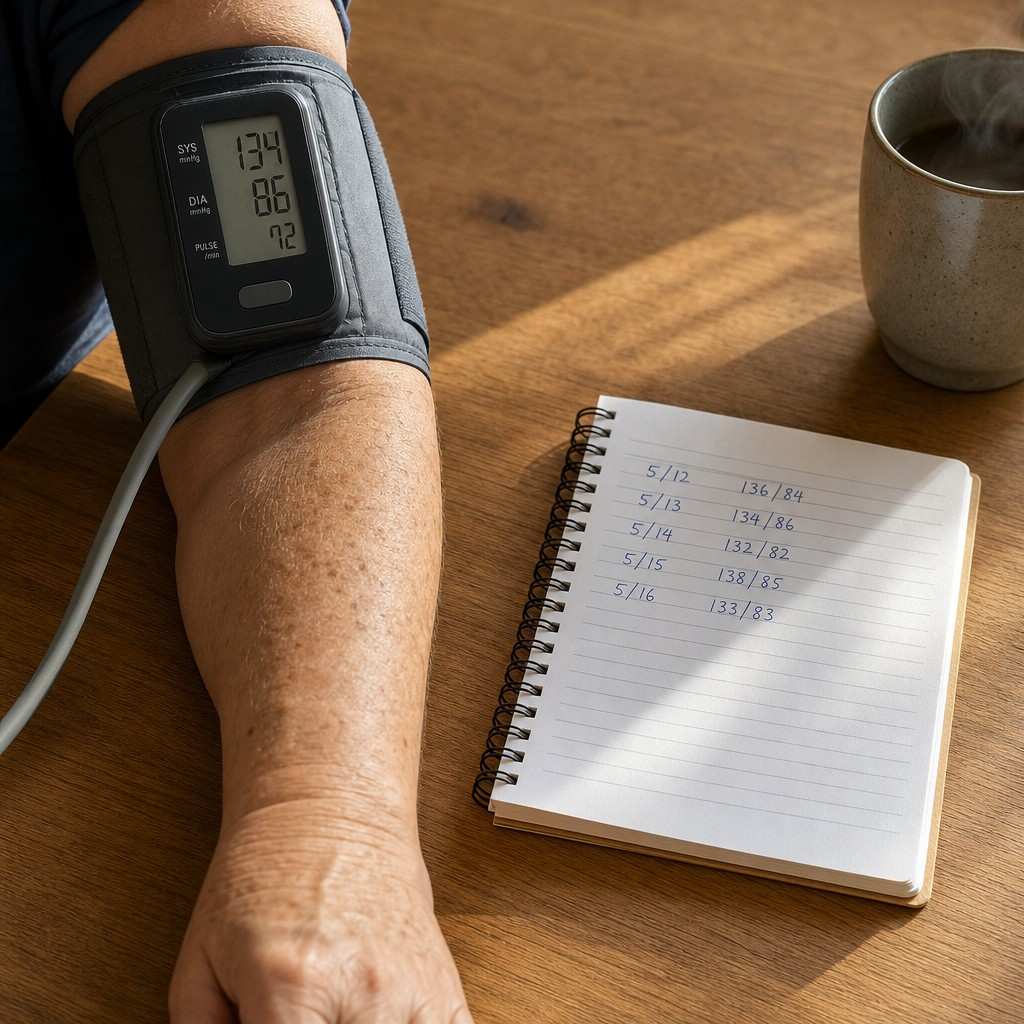
A small but useful habit: keeping a notebook of your weekly home blood pressure readings. Watch the numbers over two to three months of consistent exercise.
The drift is slow and steady, not dramatic. But the direction, for most people who stick with it, is down.
Tracking at home is easier with a reliable monitor. You can compare upper-arm blood pressure monitors on Amazon to find one that fits your budget.
How Long Until You See a Change
Expect four to twelve weeks of consistent exercise before readings shift noticeably. The underlying vascular changes take time to accumulate.
A drop of 5 to 8 mmHg may not sound like much, but it carries real clinical weight.
For someone whose numbers are only mildly elevated, that range might be enough to avoid a second medication. Worth discussing with their doctor either way.
Staying in the moderate range is what the evidence supports. A guide to monitoring your exercise intensity can help you calibrate without overdoing it.
The math is not complicated. Move consistently at moderate effort for about 150 minutes a week, add some strength work, and stay out of breath-holding habits during heavy lifting. For most people, that is enough to move the needle.