VO2 Max by Age: What Is a Good Number After 50?
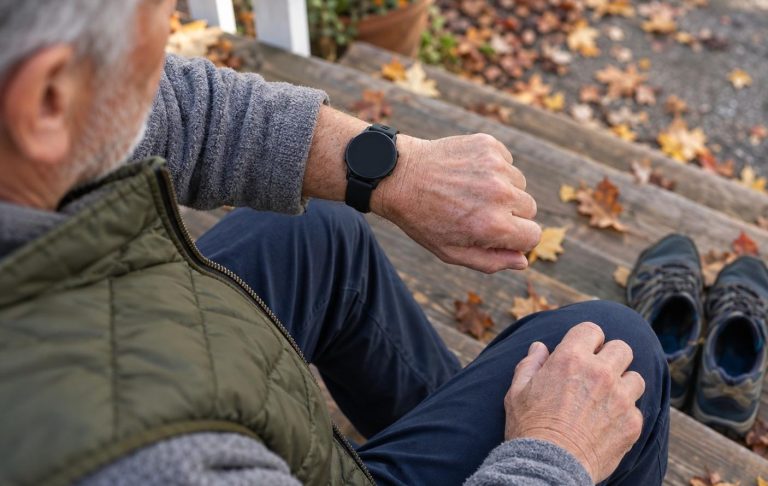
See what VO2 max means, where your watch number falls by age and sex in a published table, why it is only an estimate, and how a beginner can raise it.

See what VO2 max means, where your watch number falls by age and sex in a published table, why it is only an estimate, and how a beginner can raise it.
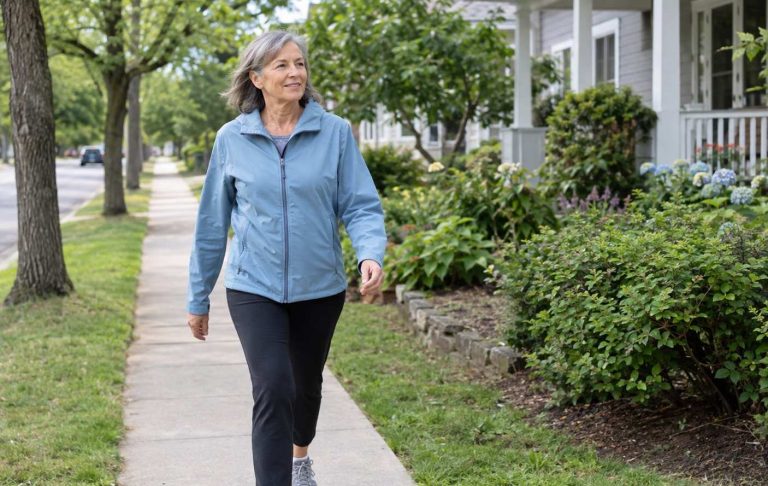
Research on morning, afternoon and evening exercise points to one rule: pick the time you will keep. Here is what the studies say.
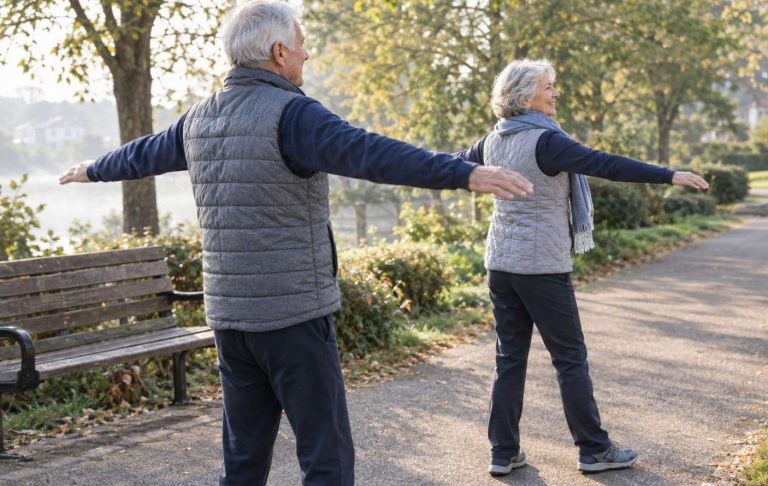
Moving stretches before you start and held stretches afterward is mostly right, and short holds before activity cost little in studies of active adults. Plain definitions, hold times for older adults, and the exact moves to try.
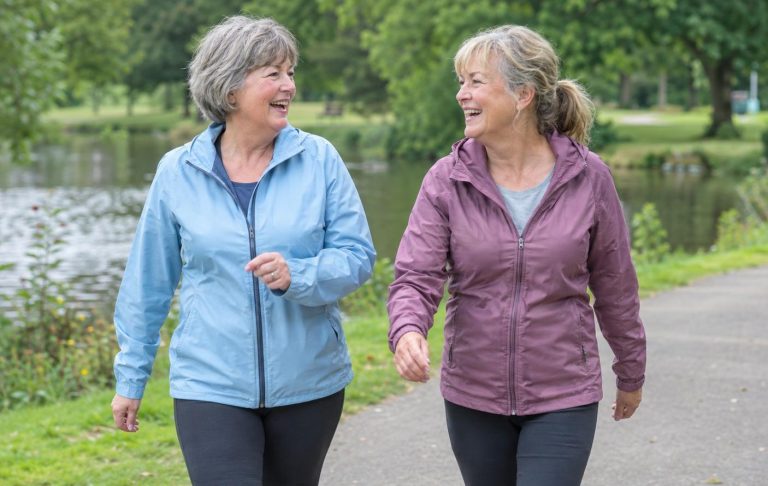
A moderate pace, where you can talk but not sing, suits most beginners. Three simple checks tell you if you are there: the talk test, heart rate and effort rating.

Fit, cushioning and a sole that bends where your foot bends matter most in a walking shoe. Here is how to check each one before you buy.
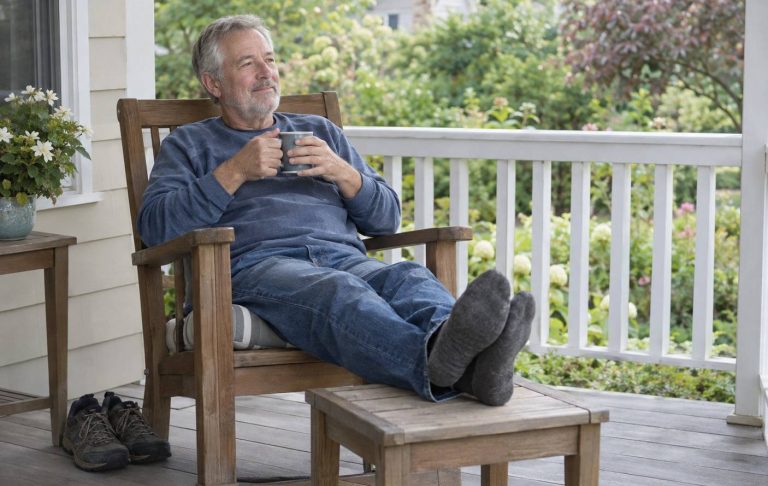
Rest days are part of a safe exercise plan. Here is how to tell when you need one, what to do on it and where to place it in your week.
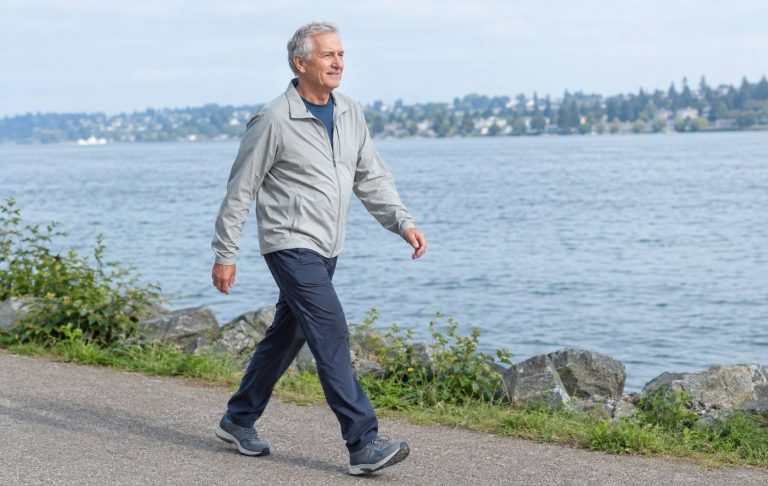
The 10,000 steps goal likely began as a pedometer's product name. Here is what research says about how many daily steps help, especially after 60.
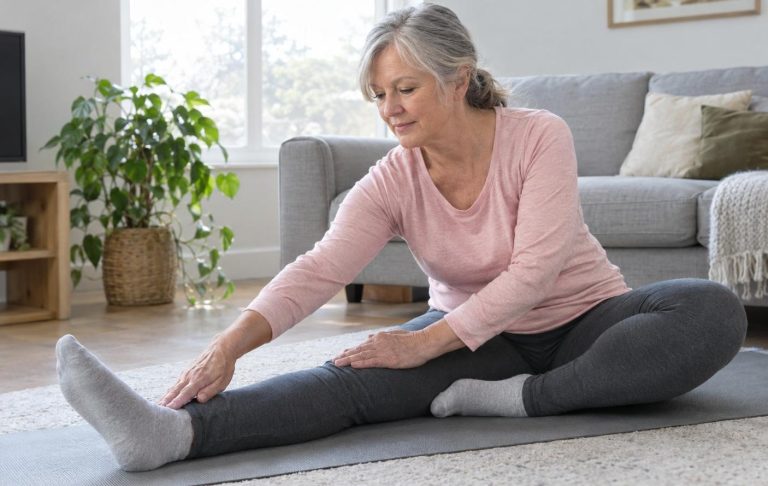
A few minutes of easy movement, gentle holds and steady breathing make stretching comfortable. Here is how to do it, and the mistakes to skip.
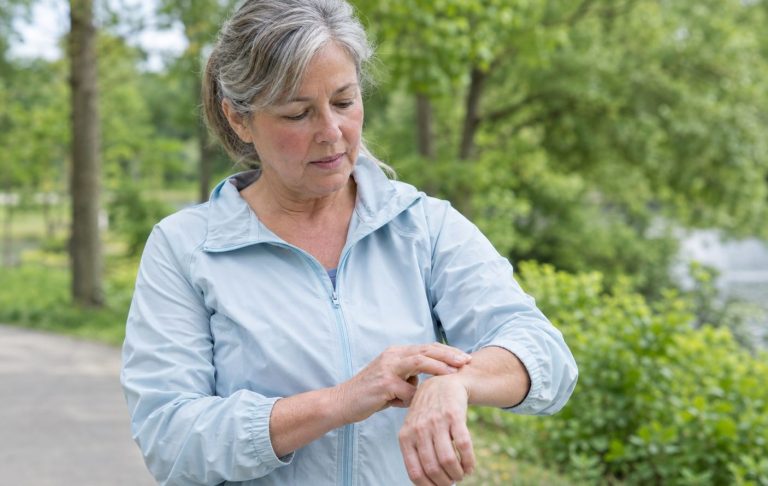
Your target heart rate is a range, usually 50 to 85 percent of your maximum. Here is how to work out yours and how to check it as you exercise.
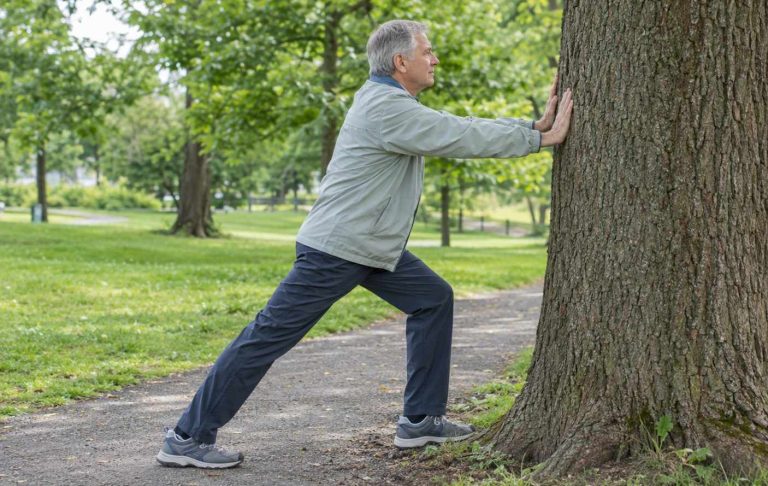
Stretching keeps you limber, but large reviews found it does not lower injury rates on its own. Strength and balance work, with an easy warm-up, does more.