Why Staying Hydrated Gets Harder After 60 (and What to Do)
Staying hydrated as an older adult is harder than it sounds: thirst fades with age. Here is how much fluid you really need and simple ways to keep up.

Staying hydrated as an older adult is harder than it sounds: thirst fades with age. Here is how much fluid you really need and simple ways to keep up.
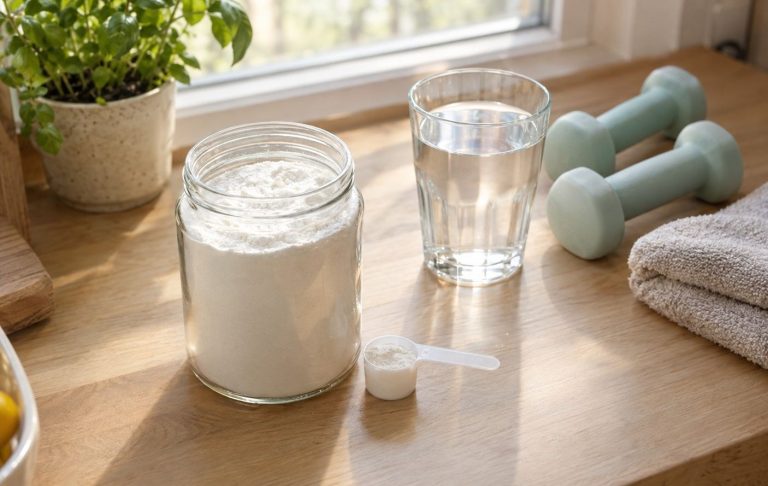
Creatine is a compound your body makes and gets from food. Reviews of trials in older adults found small muscle gains when it was paired with strength training, and weaker evidence for bone and brain.
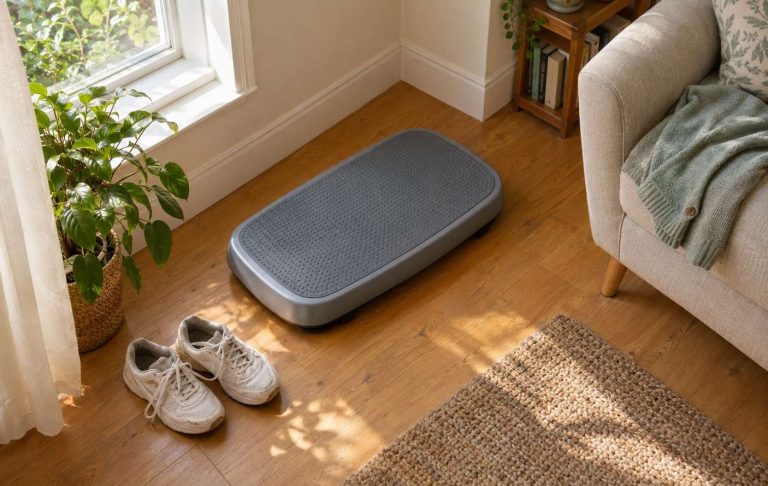
Trials in older adults found clearer gains in leg strength than in bone density, and no clear proof that a vibration plate prevents falls. One plate maker tells some people, including those with a pacemaker or a recent joint replacement, to get a doctor's approval first, and for bone and falls the advice is still weight-bearing exercise, strength work and balance training.
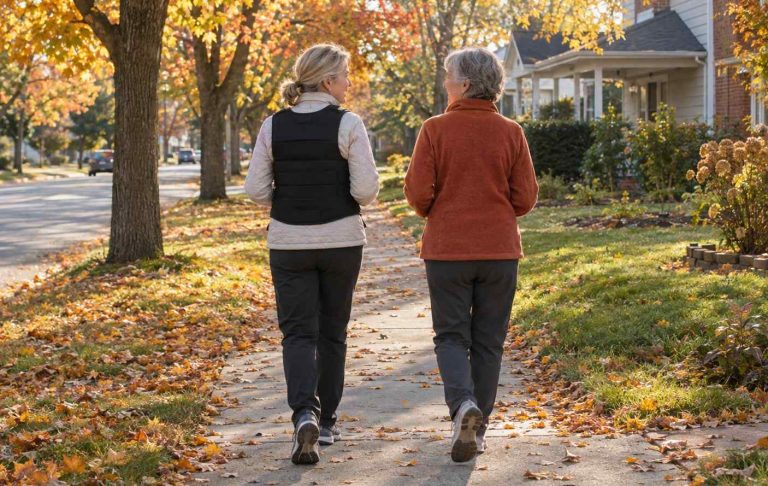
A 12-month trial of 150 older adults found no protection for hip bone from a weighted vest during weight loss. Health systems advise starting at 5 to 10 percent of body weight, and people with back problems or osteoporosis should ask a doctor first.
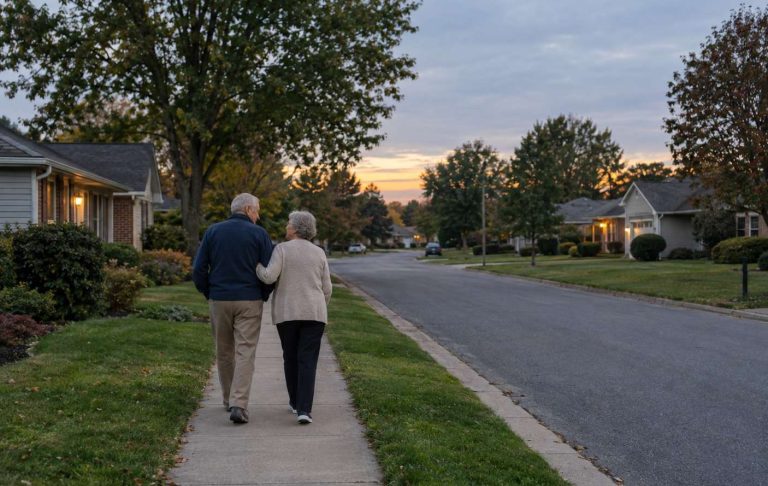
A 10-to-15-minute easy walk after a meal lowers the blood sugar rise that follows it. In one study of adults over 60, each walk began 30 minutes after the meal; dinner is the meal to start with.

The standard protein guideline was not written with older muscle in mind. Here's what the research recommends after 60, and how to spread it across your day.
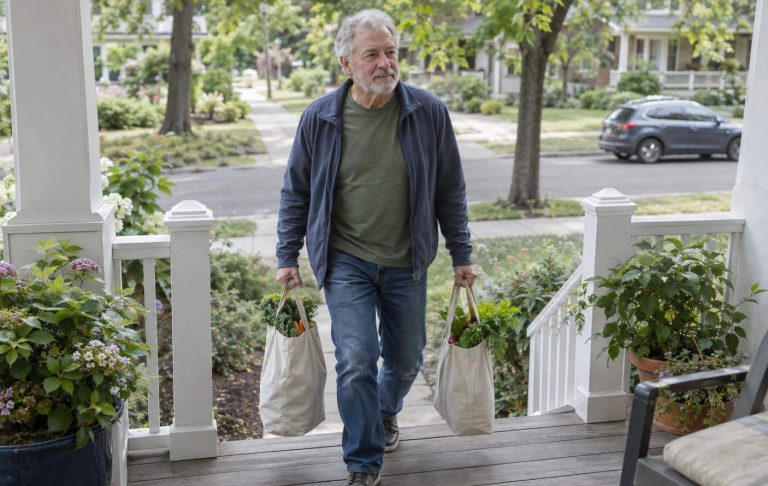
You can move more without a gym or a workout plan. Chores, errands, stairs and time with friends all count.
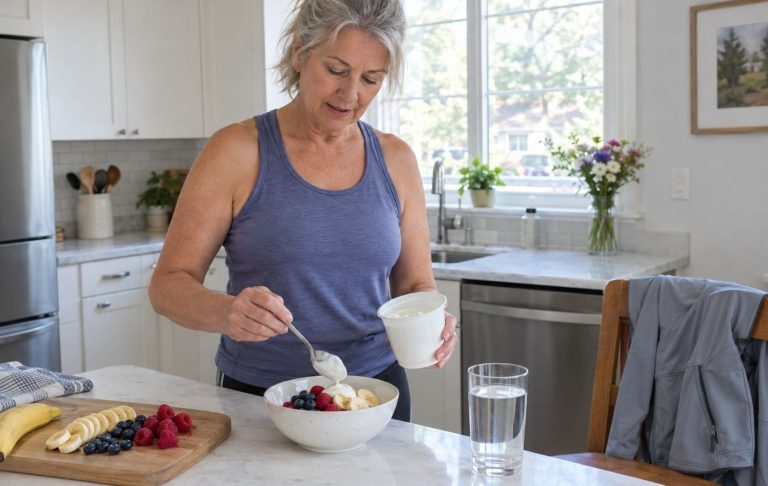
For an easy walk you may not need a snack. For longer or harder sessions, here is what to eat before and after, and when.
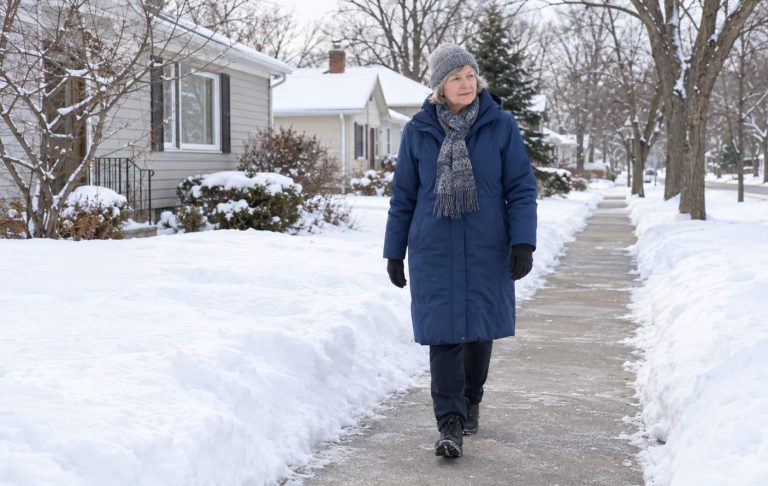
Winter doesn't have to stop your walks or your strength work. Here is how to keep moving indoors, dress for the cold and stay steady on ice.