

Running at 50 or beyond is possible, and it starts with walking. There’s no need to run before your body is ready.
Begin with several weeks of brisk walking, then mix short runs with walking breaks. Build up slowly and keep the pace easy.
Start With Walking, Not Running

Spend several weeks walking briskly before you try a single run. Walk for 20 to 30 minutes, a few days a week, at a steady pace where you can still talk.
This gives your heart, muscles and joints time to adapt. It also builds the habit of getting out the door, which matters more than speed.
Walking has its own rewards, including the benefits of walking and its effect on heart health and overall wellness.
The National Institute on Aging advises you to increase your amount of physical activity gradually over a period of weeks to months. Running is no exception.
If you have heart disease, high blood pressure, osteoporosis or a joint replacement, ask your doctor whether running is right for you and how to begin.
Use the Run-Walk Method to Build Up Safely
Mix short runs with walking breaks, and let the walking breaks be as long as you need. This is the gentlest way to start.
Begin with a short stretch of easy jogging, about a minute, then walk until your breathing settles. Repeat that for 20 to 30 minutes in total.
Over the following weeks, make the running stretches a little longer and the walks a little shorter. You are not failing when you walk. The breaks are the plan.
Because the sessions are short, they also fit a routine of short bursts of daily movement.
Should You Run Faster or Farther?
Build the time you can keep moving before you think about speed. Running too fast too soon is a quick route to sore joints and a lost week.
Keep a pace where you can still talk in full sentences. If you can’t, slow down or walk.
Let your total time grow a little each week, and take an easier week if your legs feel heavy. Injury prevention tips can help you avoid the setbacks that stop people early.
Speed comes later, once your body has adjusted.
Why Recovery Is Part of Training
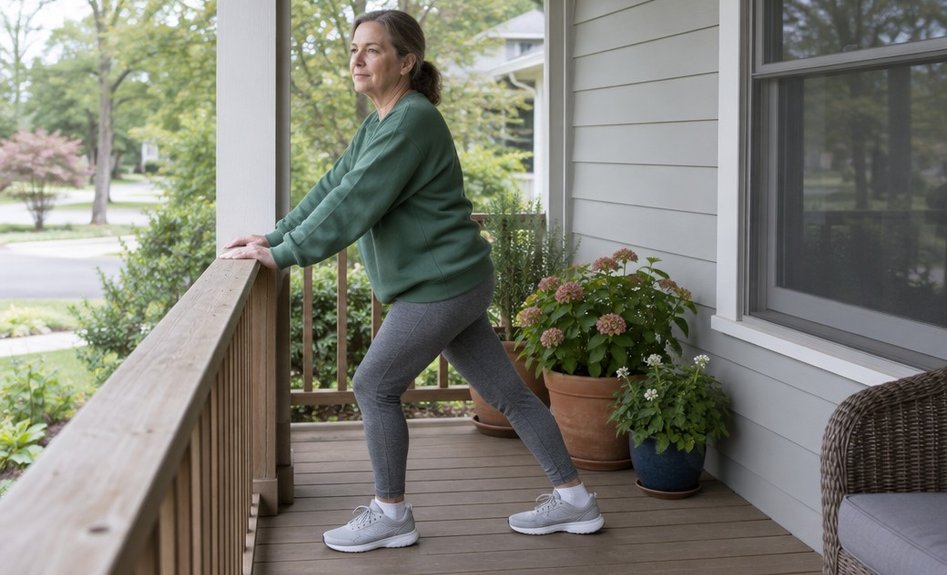
Rest days are when your body adjusts to the work you’ve done. Plan at least one day off between your run-walk sessions, especially at first.
On easy days, walk gently or stretch. You can compare foam rollers on Amazon if you like to loosen tight legs afterward. Skip foam rolling, or ask your doctor first, if you have osteoporosis or take blood thinners.
Some links on this page go to Amazon, and the site earns a small commission when a reader buys through one.
If a joint hurts, use safe exercise modifications and back off for a few days, rather than pushing through.
Warming up and cooling down matter too. The NIA notes that warming up and cooling down help prevent injuries.
Mistakes That Set Back Beginner Runners
Most early setbacks come from the same few habits, and each one is easy to fix.
- Too much too soon. Add time and effort slowly, one change at a time.
- Every pace hard. Keep most of your sessions easy and conversational.
- Skipping warm-up and cool-down. A few minutes of easy walking at each end is enough.
- Irregular training days. A steady weekly pattern builds the habit faster.
- No recovery time. Overlooking rest days in training. Your body needs them to recover and adapt.
More on rest days in training is on its own page.
These slips are easy to correct once you spot them. Slow down, add a rest day and carry on.
But, if you just want to move for your health, read this: Why Walking Beats Other Exercises for Long-Term Health