
Exercise recovery starts before the workout begins.
What you do before and after exercise affects how you feel, how safely you train, and how well you recover.
That matters even more after 50. Muscles, tendons, and joints often need a little more care than they used to.
The National Institute on Aging recommends warming up before exercise, cooling down afterward, building up gradually, and paying attention to hydration and safety.
The process does not need to be complicated.
A few basic habits do most of the useful work.
That is good news if you are returning to exercise.
It also helps if you tend to overthink the details.
Simple routines are easier to repeat.
The goal is not perfection. It is repeatability.
Before exercise
The goal before exercise is to prepare the body for effort.
That lowers friction and makes activity feel more manageable.
1. Warm up first
A warm-up gives your body time to adjust before exercise gets harder.
Do not go from sitting still to brisk walking, running, or strength work with no transition.
A warm-up helps your muscles prepare for movement. It also allows your heart rate and breathing to increase gradually. For many people, five to ten minutes of easy walking or gentle movement is enough.
If you are still building confidence with movement, a simple home setup can help. A mat, supportive shoes, or light equipment can make exercise easier to start.
That is especially true if you are building a basic home exercise equipment kit on a budget.
2. Use the right intensity for the day
Effort level matters because too much intensity too soon can derail consistency.
One common mistake is trying to do too much at once.
The NIA advises older adults to begin slowly and build up gradually. A good workout should feel like effort, not punishment.
This becomes easier when you understand how to judge effort. It is important to understand exercise intensity and how to monitor it. Before you worry about speed or calories, learn what a manageable pace feels like.
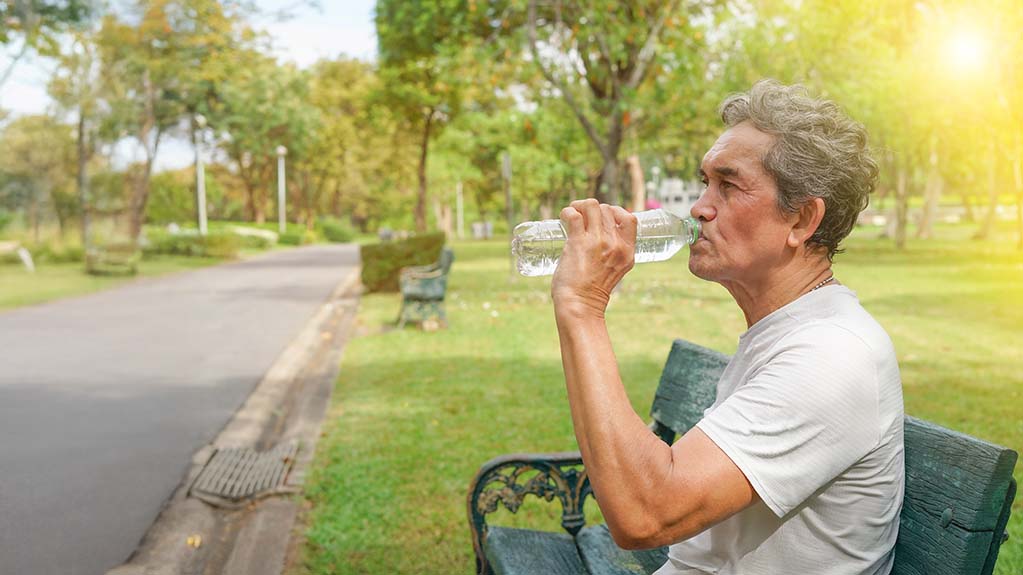
3. Drink some water
Hydration supports exercise by helping the body handle physical effort more comfortably.
NIA guidance for older adults specifically recommends drinking water around workouts. People on fluid restrictions should check with their doctor first.
You do not need to overdo it.
You just do not want to start exercise already dehydrated.
If hydration is something you tend to neglect, read more on essential items for staying hydrated during exercise.
4. Eat a light snack if needed
Food before exercise provides energy when a workout would otherwise feel flat.
Not everyone needs to eat before exercise. But a small snack can help if you are training early, going out for a longer walk, or feeling low on energy.
Something simple like yogurt, toast, a banana, or a small bowl of oatmeal is usually enough.
5. Wear sensible gear
Clothing and shoes affect comfort, safety, and follow-through.
This is boring advice, but it matters.
NIA guidance tells older adults to use proper shoes and appropriate clothing. It also says to pay attention to the weather and surroundings when exercising outdoors.
Footwear deserves more thought than people often give it. If walking is your main activity, look at how to choose the right exercise shoes for walking.
After exercise
The goal after exercise is to support recovery without turning it into a big project.
Most people do not need an elaborate routine.
1. Cool down instead of stopping abruptly
A cool-down helps the body shift out of exercise more gradually.
It allows heart rate and breathing to come down at a steadier pace. For many people, that just means a few minutes of slower walking after a brisk walk, run, or cardio session.
2. Eat some protein during your normal meal pattern
Protein supports muscle maintenance and recovery after exercise.
That becomes more important with age.
You do not need a special recovery shake after every workout. But eating some protein after exercise can still help.
This is one reason it helps to keep regular protein foods around, read more on high-protein foods for older adults.
3. Rehydrate
Fluids lost during exercise still matter after the session ends.
Drink water after exercise and keep drinking through the day. This matters more if the session was long, sweaty, or done in hot weather.
4. Stretch if it helps
Stretching can be useful, but it does not need to become a long recovery ritual.
A little stretching after exercise is fine if it helps you relax or feel less stiff. If flexibility is one of your goals, see safe stretching techniques for flexibility.
That is often enough for beginners who just need a routine they can stick with.
5. Respect recovery time
Recovery time helps the body adapt to training instead of just enduring it.
Older adults often do better when they give muscles time to recover between harder sessions. That is especially true if you are new to exercise or returning after a long break.
Better results often come from consistency, not from pushing hard every day.
The Bottom Line
The core idea is simple.
A few basic habits before and after exercise can make movement safer and easier to repeat.
If you warm up, start at a realistic pace, drink water, cool down, and eat enough protein, you are already doing most of what matters. That is the core of exercise recovery after 50.
That is enough for most beginners.
The goal is not to recover like an athlete.
The goal is to make exercise feel safe, repeatable, and worth doing again tomorrow.