
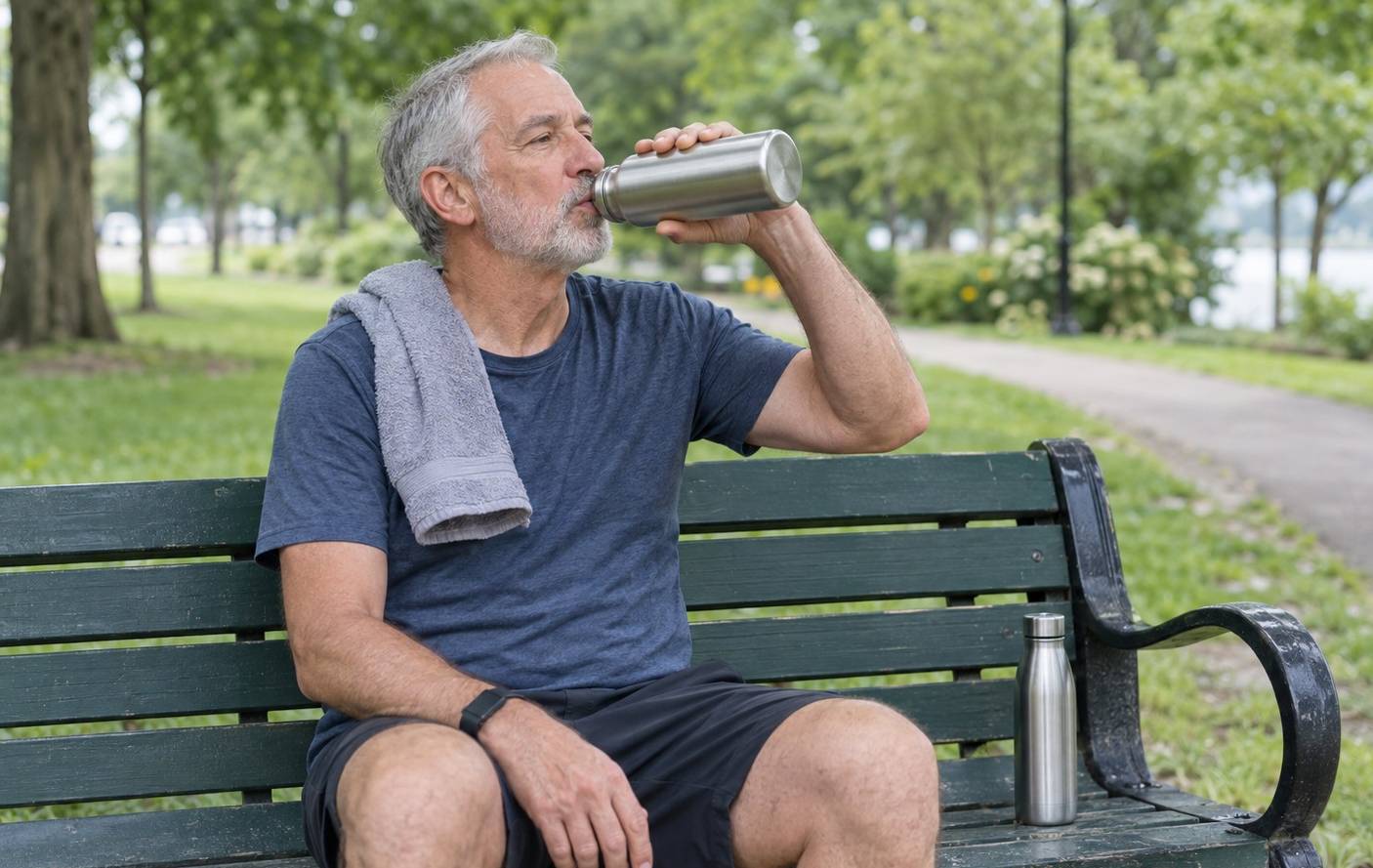
For most exercise, you need three things: a drink you like, a bottle you’ll carry and a habit of sipping.
Plain water in a bottle you enjoy using covers most walks and home workouts. A sports drink is an option for long, hard or very sweaty sessions, and most beginners can skip it.
What Should You Drink, and When?
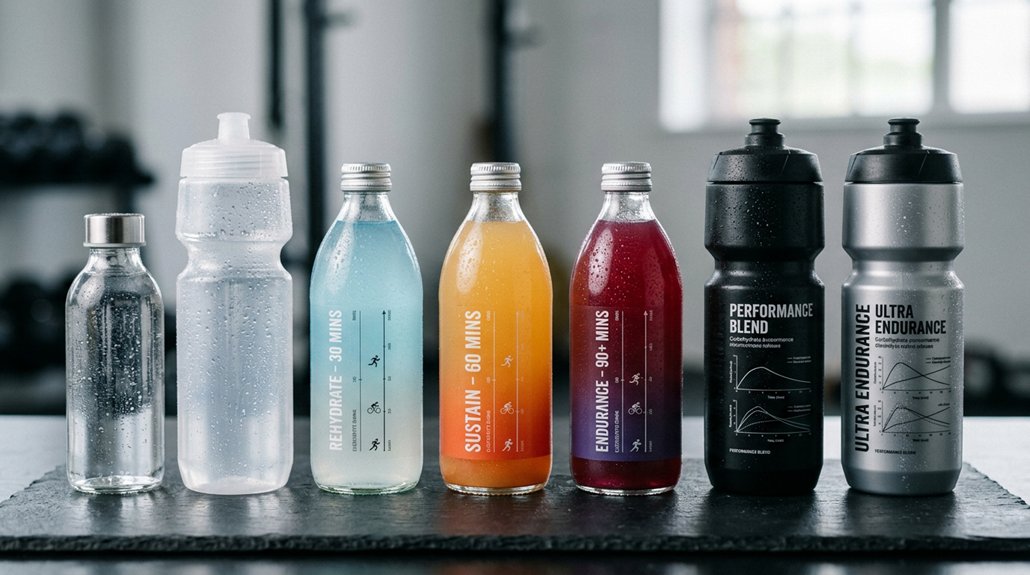
Match your drink to how long and how hard you’re exercising. For an easy walk or a short home workout, water is all you need.
When a session runs long, gets hard or leaves you drenched in sweat, a drink with carbohydrates and electrolytes can help. These include sodium and potassium.
What matters most is that you drink regularly before, during and after you exercise.
If you plan to carry a bottle on your walks, you can compare running water bottles on Amazon for size and grip.
Some links on this page go to Amazon, and the site earns a small commission when a reader buys through one.
How Much Should You Drink During Exercise?
There’s no single right amount, because sweat rates differ from person to person. The American College of Sports Medicine recommends customized fluid replacement rather than one number for everyone.
On a short, easy walk in mild weather, a few sips at the start and at breaks are usually enough. Don’t wait until you feel thirsty.
For older adults, thirst can lag in warm conditions. Research found that during exercise in a warm environment, older adults had decreased thirst and reduced fluid intake.
So in heat or during longer sessions, take small sips at regular breaks instead of waiting for thirst.
You can also check your own needs. Weigh yourself before and after a workout, because body weight before and after exercise shows how much fluid you lose.
If you finish noticeably lighter, drink a little more next time.
If you have heart or kidney disease, or your doctor limits your fluids, ask how much to drink around exercise.
The NIA says that if your doctor has told you to limit liquids, ask what to do when it is very hot.
Sports Drinks vs. Water, and When Electrolytes Matter
- Water is usually enough for easy walks, gentle classes and home workouts.
- For long, hard or very sweaty sessions, a sports drink can replace fluid, sodium and carbohydrates.
Electrolyte drinks can help in certain situations, but they are not a requirement. Sports medicine experts say drinks with electrolytes and carbohydrates can provide benefits over water alone under certain circumstances.
Hot weather and long sweaty efforts are the usual examples. For most beginners, a sports drink is optional.
Check the label if you have high blood pressure or diabetes, since many of these drinks contain sodium or sugar.
Choosing Bottles and Packs That Fit Your Workout
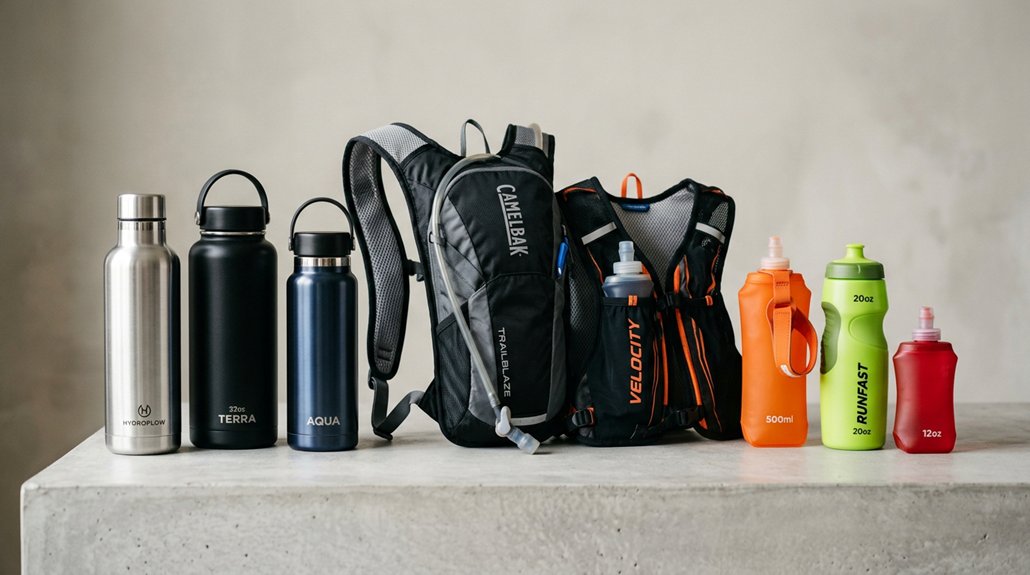
Pick a bottle you’ll actually carry, because the best one is the one you use. A bottle that’s easy to hold and easy to open makes sipping a habit.
Stainless steel keeps drinks cold longer. Lightweight plastic is easier to carry on a short walk.
Match the size to the outing. A small bottle works for a quick stroll, and a larger one suits a longer walk or hot weather.
Look for one with a handle or a pocket on your bag, so you can reach it without stopping.
Hydration Habits for Home Workouts
Staying hydrated is easier during home workouts because water is usually close at hand.
Set up a drinking habit before you start, so you don’t have to think about it. Three simple steps help:
- Fill a bottle and set it within reach before you begin.
- Take a few sips at each rest break.
- Drink a glass of water when you finish.
The best hydration plan is the one you can stick with.