
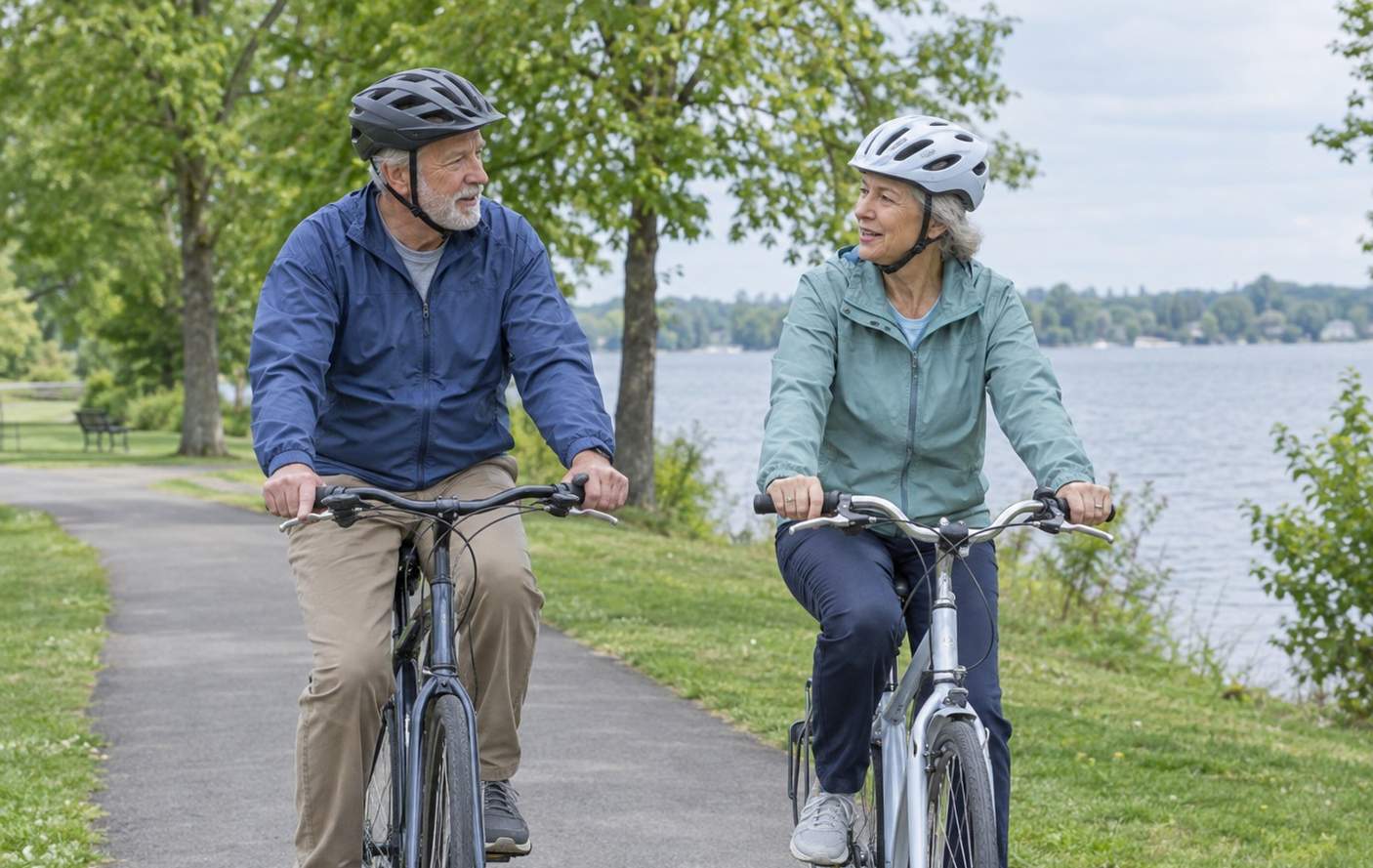
Low-impact exercise is movement without hard landings or jarring. It is easier on your joints, and you can still work up a healthy effort.
Walking, swimming and cycling are the best-known examples, and walking is the easiest place to begin. A short, comfortable walk is a good first workout.
What Low-Impact Exercise Actually Means
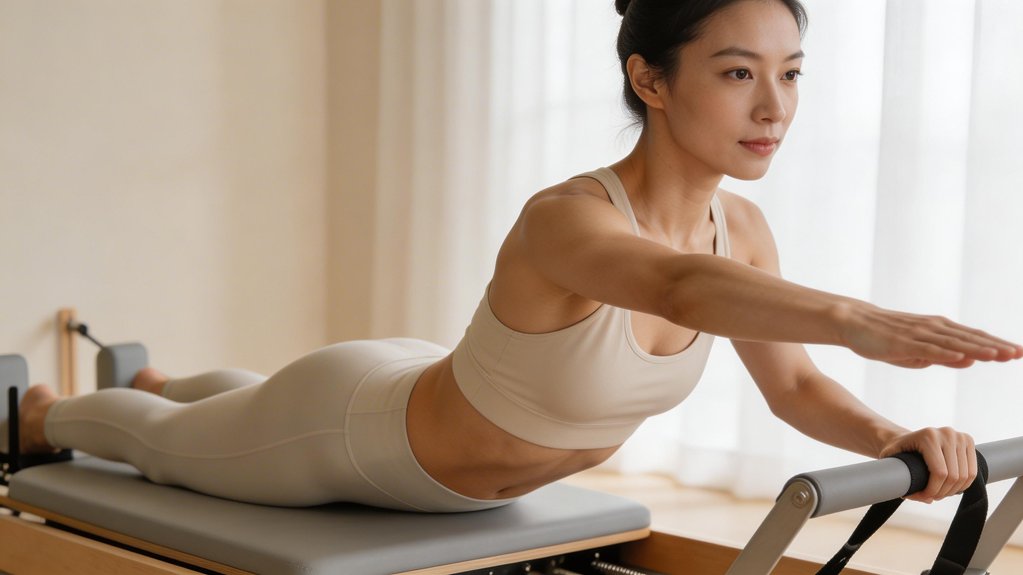
Low-impact means smooth, controlled movement with no jumping or pounding. Your joints take less force than they would with running or jumping.
The National Institute on Aging describes low-impact activities, such as swimming, walking, and tai chi, which put less stress on your joints.
Low-impact doesn’t mean low effort. A brisk walk or a steady swim can still get your heart working.
Adding balance exercises to your routine also builds steadiness for daily life.
Who Benefits Most From Low-Impact Exercise?
Low-impact exercise suits almost everyone, especially people with sore joints or those who are starting out. It’s a kind way in if you haven’t exercised in a while or you’re returning after an injury.
For people with arthritis, the NIA says that when done safely, being physically active with arthritis shouldn’t make the disease or pain worse.
Ask your doctor or physical therapist which activities work for you. You can also read about exercise for knee osteoarthritis.
Beginners also like how accessible these activities are. No special skills or equipment are needed.
If a joint is sore, learn some exercise modifications so you can keep moving comfortably.
Best Low-Impact Activities for Beginners
Pick one or two activities you enjoy, because you’ll do those most often.
- Walking builds leg strength and stamina. It offers many wellness benefits and needs only comfortable shoes.
- Gentle yoga builds flexibility and core strength through slow poses. Chair yoga is a good starting point (read more on yoga mats).
- Swimming or water exercise works your whole body with water holding you up.
- A stationary bike lets you build leg strength seated, with the seat supporting you.
A mini trampoline with a handle bar involves bouncing, so it is not truly low impact. If you want to try one, ask your doctor first and hold the bar.
If you have osteoporosis, ask your doctor to help you include weight-bearing moves such as walking, since swimming and cycling don’t put the same load on your bones.
What Low-Impact Exercise Does for Your Strength and Heart
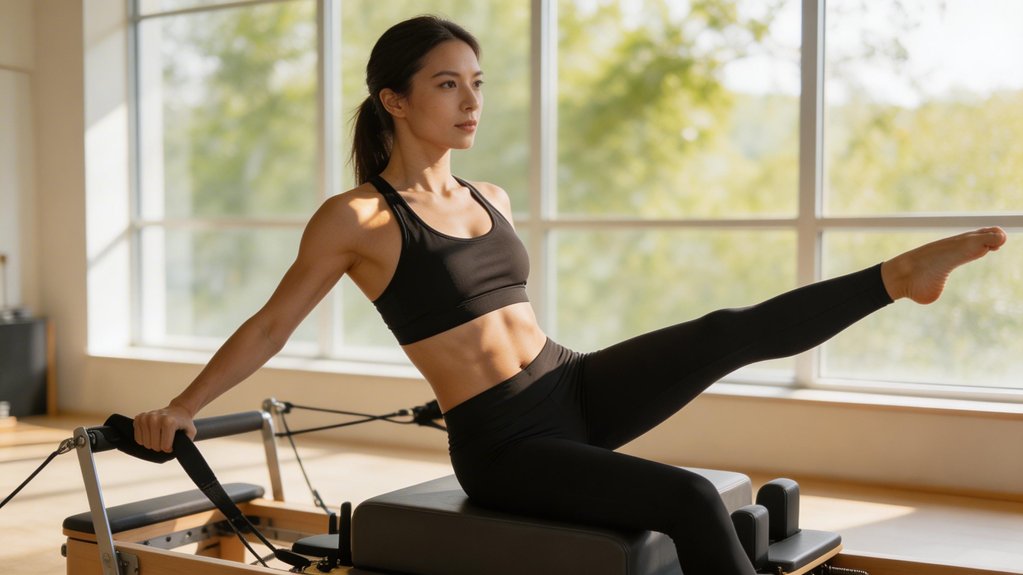
Low-impact exercise can still build strength and keep your heart working. You don’t need a hard landing to get a real workout.
Here is how it helps:
- Your muscles build endurance through steady, repeated movement.
- Your heart works harder during a long walk, swim or bike ride.
- Your body adapts when you repeat the effort week after week.
For your weekly goal, the NIA recommends 150 minutes of moderate-intensity aerobic activity and two days of muscle-strengthening activities.
You can work toward both with low-impact options. Resistance bands and body-weight moves, like sit-to-stands, add the strength part.
These moves carry over to daily life, which is the idea behind functional fitness.
Your First Low-Impact Workout
Start with a short, easy walk and build from there. Walking is your simplest entry point.
Begin with a few minutes of slow walking to warm up. Then walk at a comfortable pace where you can still talk, for as long as feels good.
You can add marching in place or sit-to-stands from a sturdy chair once you feel confident.
Listen to your body. Steady effort matters more than hard effort.
When you’re ready to build, read about how much walking helps your health.