
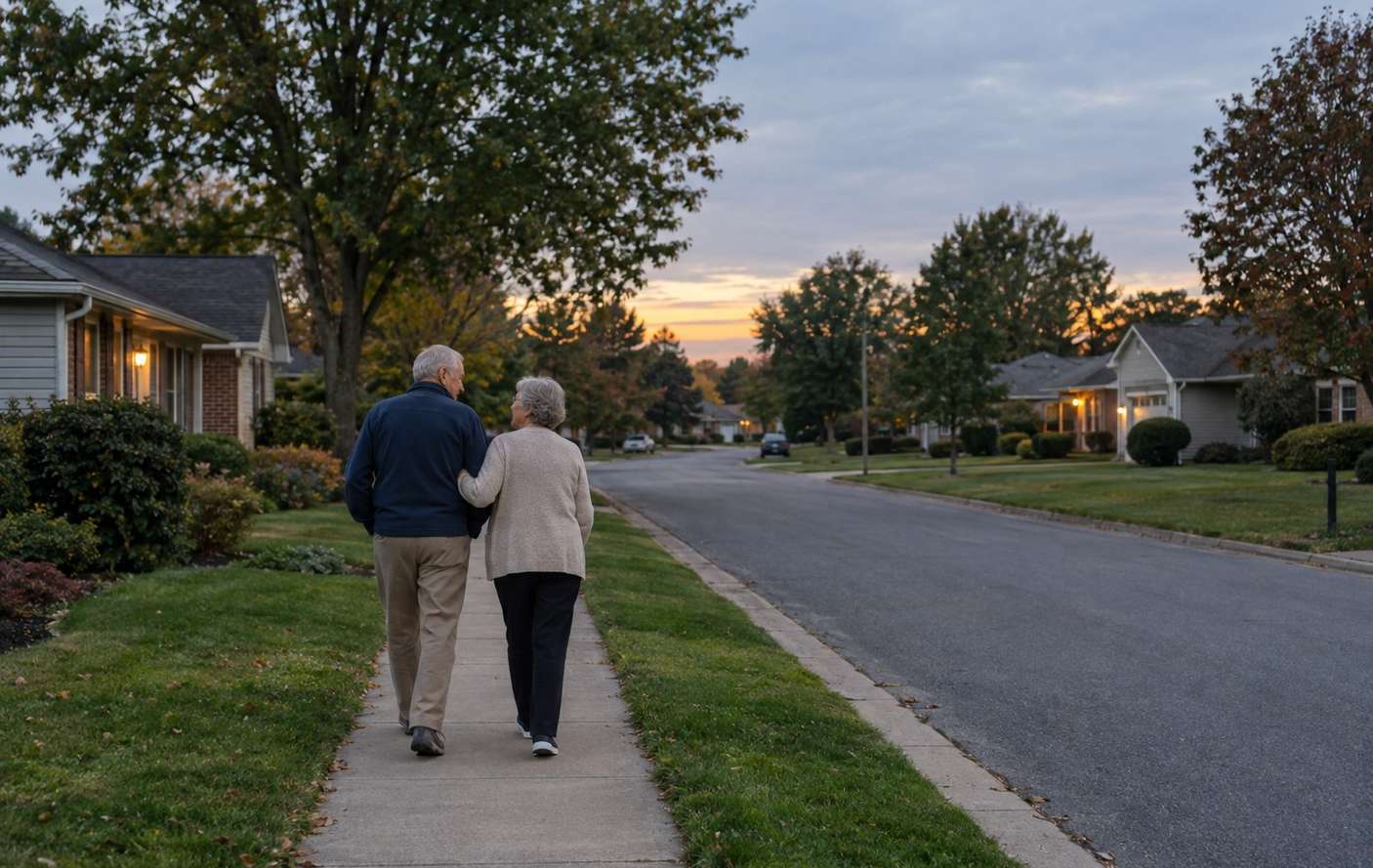
How soon after dinner should you walk, and does a ten-minute stroll really change your blood sugar?
It does. A short, easy walk after a meal lowers the rise in blood sugar that the meal causes.
Studies in adults over 60 found the effect with walks of just 10 to 15 minutes. You do not need a gym, a brisk pace or special shoes.
Why the timing matters more than the distance
After you eat, sugar from the food moves into your bloodstream. Cleveland Clinic, a nonprofit academic medical center in Ohio, puts the peak at about 30 to 90 minutes after a meal.
Working muscles take sugar out of the blood and burn it as fuel. Your thigh and hip muscles are the largest in the body.
So walking gives that sugar somewhere to go.
A walk that starts while the sugar is still arriving can blunt the rise. A walk taken three hours after dinner cannot lower a peak that has already passed.
The clock starts when you put your fork down.
What the studies in older adults found
The clearest test in this age group was small but careful.
Ten inactive adults aged 60 and over, all with blood sugar a little above normal, spent 48 hours at a time in a test room. A sensor tracked their blood sugar throughout.
On separate visits they tried three plans:
- a 15-minute walk after each of three meals
- one 45-minute walk in the morning
- one 45-minute walk in the afternoon
Both kinds of walking improved blood sugar across the whole day. The difference showed up in the evening.
The three short walks lowered the three-hour rise after dinner more than either 45-minute walk, researchers reported in Diabetes Care.
Three 15-minute walks after meals beat one 45-minute walk for the hours after dinner, with the same total walking time.
A second study, published in Diabetologia, tested everyday advice in New Zealand instead of a lab routine. Forty-one adults with type 2 diabetes, average age 60, tried two plans for two weeks each.
One plan was 30 minutes of walking a day, at any time. The other was 10 minutes after each main meal, the same 30 minutes in total.
The after-meal plan lowered the blood sugar rise after meals by about 12 percent.
After the evening meal, when people ate the most carbohydrate and sat the most, the drop was about 22 percent.
How long, how fast, and which meal to start with
The walks in these studies were short and easy. In plain numbers:
- Length: 10 minutes after each main meal in the New Zealand study, 15 minutes in the Diabetes Care study.
- Pace: easy. You should be able to talk in full sentences while you walk.
- Start time: soon after you finish eating, so you are moving before the 30-to-90-minute peak.
- First meal to add: dinner, where both studies found their clearest benefit.
Even a few minutes beats sitting. A 2022 review in Sports Medicine pooled seven trials where adults broke up long sitting after meals with short bouts of standing or light walking.
Light walking lowered blood sugar after meals more than standing did, and standing still beat staying in the chair.
That fits the research on breaking up long stretches of sitting: small, frequent movement adds up.
If ten minutes feels like a lot right now, start with five. Cleveland Clinic notes that even two to five minutes of walking can bring blood sugar down a little.
If you cannot get outside after a meal
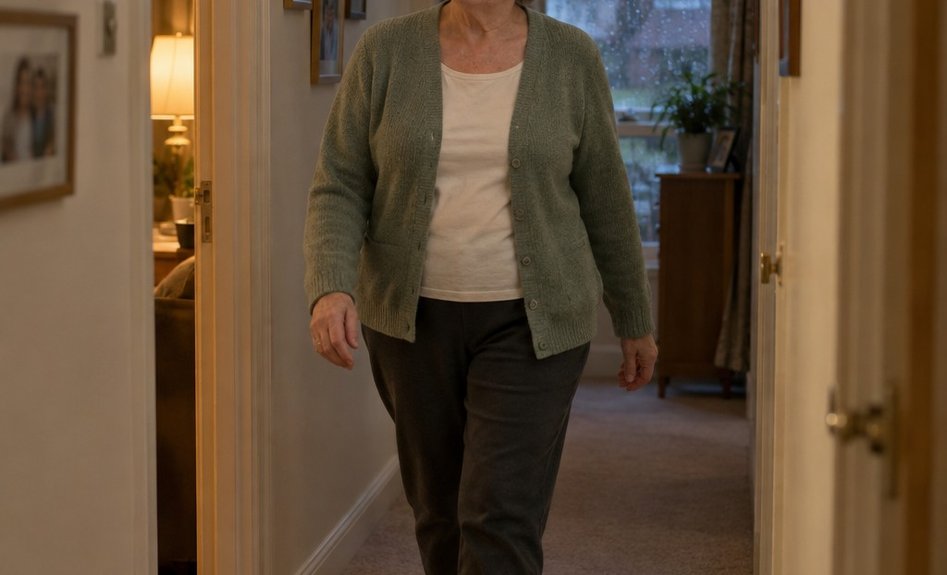
Rain, dark winter evenings, sore knees or a long family dinner can all get in the way.
The studies tested walking, so treat these as sensible stand-ins rather than tested equals. The goal indoors is the same: keep the big leg muscles working for about ten minutes after you eat.
- Walk laps of your hallway or kitchen, or march in place through a TV program.
- Climb one flight of stairs slowly a few times, holding the rail.
- Stand up and sit down from a sturdy chair a few times, slowly.
- If walking is hard on your joints, a seated pedal exerciser keeps your legs moving while you sit.
Standing at the sink to wash the dinner plates counts for something too. In the review above, standing alone lowered after-meal blood sugar compared with sitting.
Who should check with a doctor first
If you take medicine to lower your blood sugar, exercise can push it too low. Cleveland Clinic notes that a short walk is unlikely to do that, while a hard workout could.
Keep the after-meal walks easy. Ask your doctor or diabetes educator how to fit them around your medicine.
A post-meal walk adds to your treatment. It does not replace anything your doctor has prescribed.
You also do not need a glucose monitor to benefit. The studies used one to measure the effect, and the walk works whether or not you watch the numbers.
A simple way to start this week
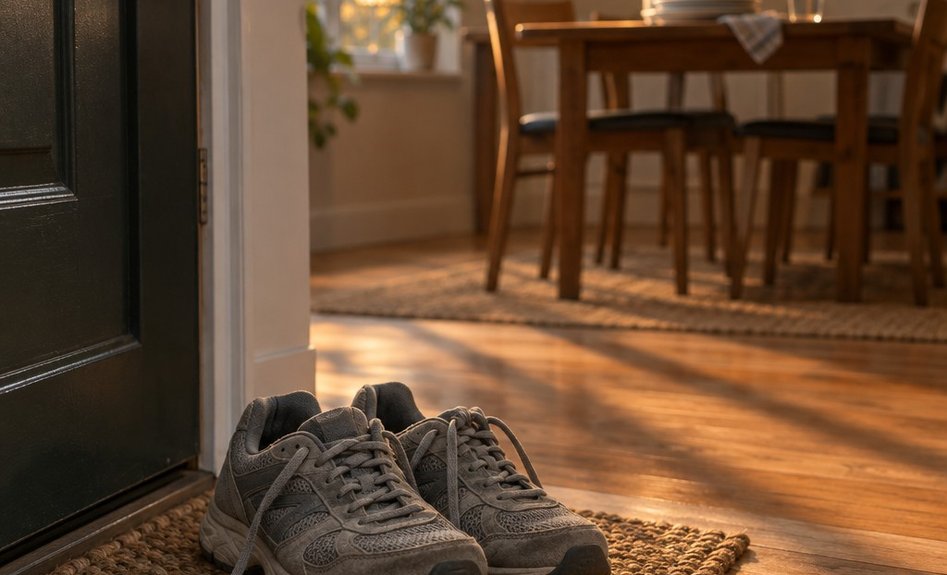
Put your shoes by the door before you sit down to eat. Start with one easy 10-minute walk after dinner, and nothing more for the first week.
After a week or two, add a walk after lunch. Three short walks a day also move you toward the daily step counts linked to real health benefits, without any single long session.
On evenings you cannot get outside, ten minutes of hallway laps still counts.