Exercises for Stronger Bones: What Works After 50
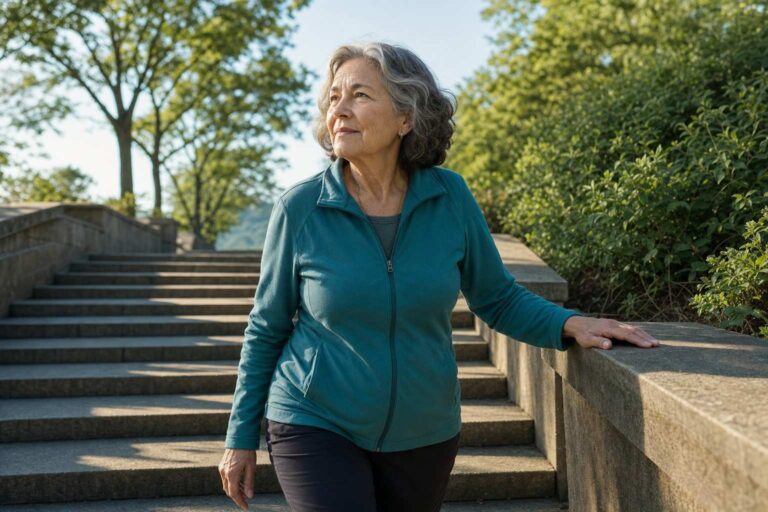
Exercises for stronger bones matter most after 50, when bone density quietly declines. Here is which movements actually build bone and which do not.

Exercises for stronger bones matter most after 50, when bone density quietly declines. Here is which movements actually build bone and which do not.

Exercise for osteoarthritis sounds backward when your knees ache, but the research says movement is one of the best treatments. Here is how to start safely.

Researchers now treat grip strength as one of the clearest markers of healthy aging. Here's what the evidence shows, and simple ways to build a stronger grip at home.

Exercising with a friend or a group can help you keep going. Here is what research on partner and group exercise says, and simple ways to start.
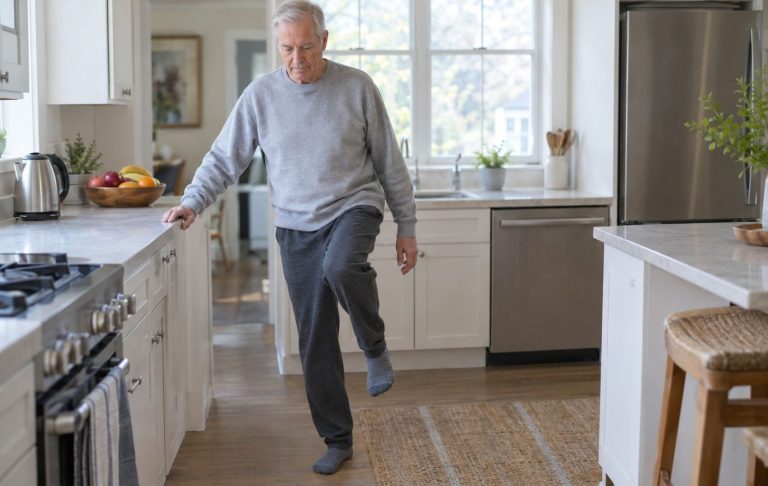
Exercise lowers the rate of falls in older adults, and balance work is a big part of it. Here is what the main studies found.
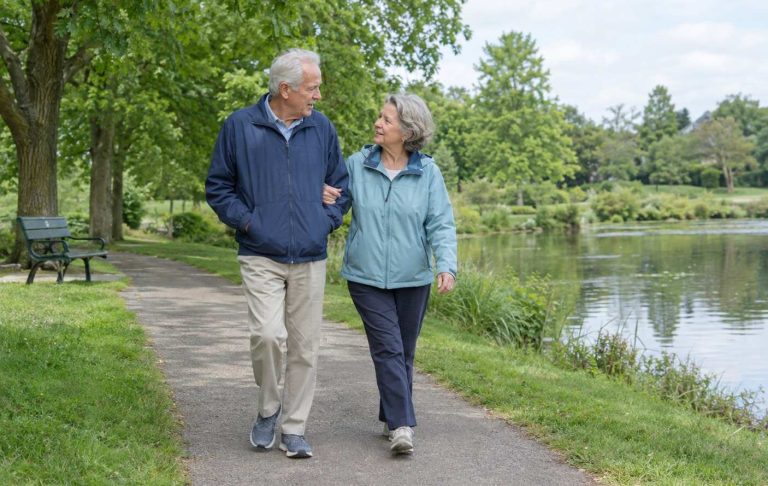
Research suggests even modest daily activity is linked to a longer life. Here is how much movement the studies point to, and where extra effort adds little.
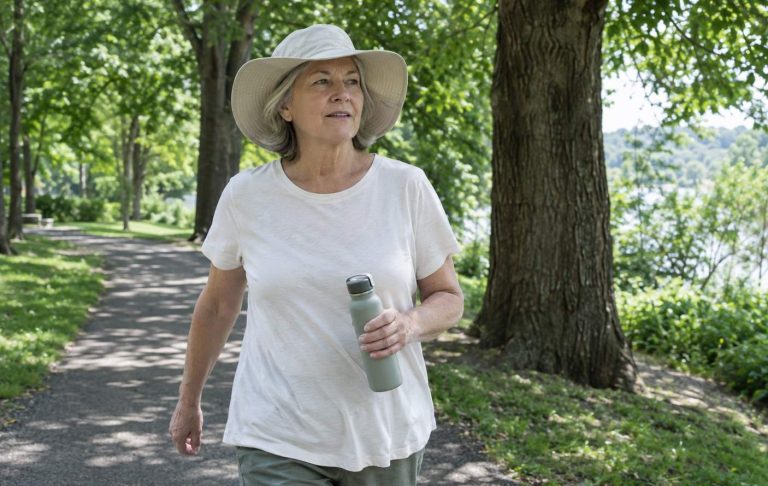
Older adults feel heat differently. Plan outdoor exercise for cooler hours, sip fluids often, know the warning signs and move indoors when it is very hot.

In one trial, a year of aerobic exercise enlarged the memory region of older adults' brains. Here is what the research says about exercise, BDNF and dementia risk.

Low-impact activity, a gentle start and a few clear warning signs help you keep moving with sore joints. Here is what to try and when to call your doctor.

Start with a few short walks each week and build up slowly. Strength and balance work come in once walking feels easy.