
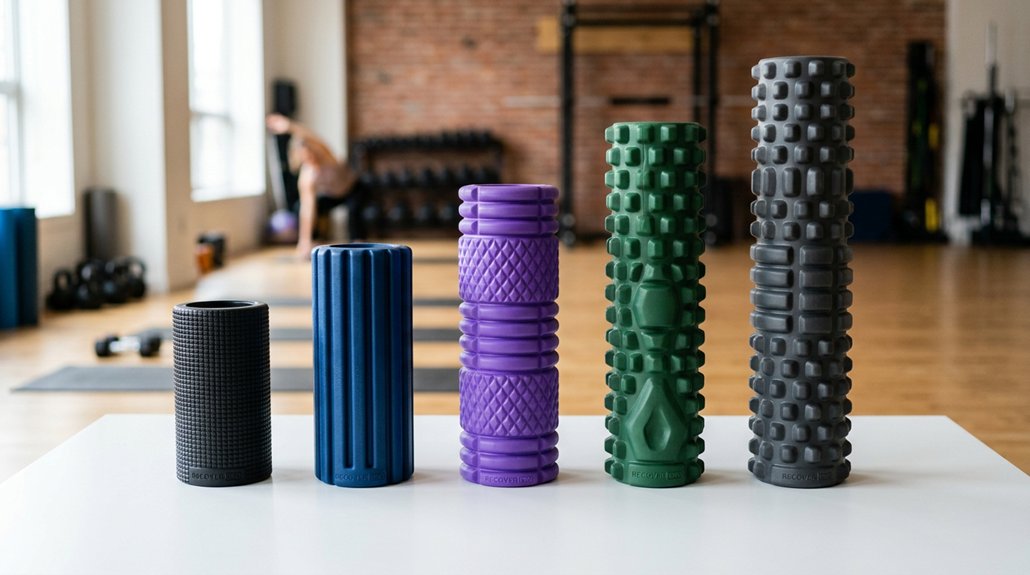
A foam roller can help ease tight muscles, improve mobility, and support recovery after walking, strength training, or stretching.
For most older adults, the best choice is one that feels firm enough to work, but not so hard that it becomes unpleasant.
Our Top Picks
Best budget pick: Amazon Basics High-Density Foam Roller
Simple, firm, and affordable. A good choice for basic home use.
Best for deeper pressure: TriggerPoint Grid 1.0 Foam Roller
More textured and more intense. Better for people who already know they like firm rolling.
Best value set: Bornew Foam Roller Set
Includes extra recovery tools, which makes it useful if you want more than just one roller.
Best all-around textured roller: 321 Strong Foam Roller
A solid middle ground for muscle relief without going too basic.
Best for size options: High Density Foam Roller from The Original Body Roller
Good if you want to choose between a more compact or longer roller.
You can also browse more options here: Foam rollers for muscle relief on Amazon
What matters most for seniors
For senior fitness, comfort matters more than hype. A roller that is too hard can be discouraging, especially if you are new to recovery work.
Look for:
- medium or moderate firmness if you are a beginner
- a shorter roller for calves, arms, and smaller areas
- a longer roller for legs and upper back
- a textured surface only if you want deeper pressure
Which one should you buy?
- Choose Amazon Basics if you want the simplest and lowest-cost option.
- Choose TriggerPoint Grid 1.0 if you want deeper pressure and a more intense feel.
- Choose Bornew if you want a full recovery set.
- Choose 321 Strong if you want a balanced textured roller.
- Choose The Original Body Roller if size choice matters most.
Quick safety note
Foam rolling should feel like pressure, not sharp pain. Avoid rolling directly over joints, the neck, or the lower back.
For many seniors, gentle use on calves, thighs, and upper back is the best place to start.
How to use a foam roller safely after 50
Start slowly and use light pressure at first, especially if you are new to foam rolling. Roll at a pace of about one inch per second, pausing on tight spots rather than rushing past them.
Breathe steadily while you roll, and spend about 30 to 60 seconds on each muscle group. Proper pre- and post-exercise habits make a real difference in how your body responds.
That includes how you warm up and cool down, as the before and after workout recovery guide explains.
Floor access is a real barrier for many people. Getting down to and up from the floor may be uncomfortable or unsafe for you.
If so, roll calves and the back of the thighs against a wall while standing instead. You get similar pressure without the floor challenge.
Build up gradually. Start with one or two sessions per week and see how your muscles feel the next day before adding more.
When to skip foam rolling
Foam rolling is not right for every situation. Skip it or check with your doctor first if any of these apply to you:
- Osteoporosis: pressure on fragile bones can cause harm
- Blood thinners: rolling can cause bruising or damage to blood vessels
- Acute injury or sharp pain: rolling an injured area can make it worse
- Recent surgery: your doctor needs to clear you before adding pressure near the surgical site
This is general information, not medical advice. Check with your doctor if you have concerns. Giving your body proper rest and recovery time between sessions is just as important as the rolling itself.