
Protein becomes more important as you get older.
Muscle mass and strength tend to decline with age.
Older adults often need more protein than the basic adult minimum to help maintain muscle and physical function.
Expert guidance from the PROT-AGE Study Group suggests a higher target. Many healthy older adults may benefit from about 1.0 to 1.2 grams of protein per kilogram of body weight per day.
Needs may be somewhat higher in people who are active or exercising regularly.
You do not need a complicated meal plan to do this well.
You need simple foods that are easy to eat, easy to prepare, and realistic to include in normal meals.
If you are also working on how to start exercising after 50, eating enough protein can support recovery.
It can also help you hold on to strength as your activity level improves.
Small changes often work better than ideal plans.
Practical food choices are easier to repeat.
That is what makes them useful.
Protein is easier to use when it fits real life.
Why protein matters after 50
Protein supports several body systems that affect daily function. It helps build and repair tissues. It also supports immune function and helps maintain muscle.
These roles matter more with age because the body becomes less efficient at using dietary protein to support muscle health.
In practical terms, older adults often need to be more intentional about protein than they were earlier in life.
Protein also becomes more useful when activity increases. Walking, strength training, and other exercise create a greater need for recovery.
Research-based guidance for older adults consistently pairs exercise with adequate protein intake. That matters if you are interested in the science of building muscle after 50.
It also matters if you simply want daily tasks to feel easier.
What makes a good protein food?
Protein content matters, but it is not the only thing that makes a food useful.
The best protein foods for older adults should also be practical.
A good option is usually easy to chew. It should also be simple to prepare and realistic to eat regularly.
The National Institute on Aging recommends a variety of nutrient-dense protein foods. These include seafood, eggs, beans, nuts, seeds, soy products, lean meat, poultry, and dairy foods.
Simple high-protein foods worth using
These foods work well because they combine protein with convenience.
That makes them easier to use consistently.
Greek yogurt
Greek yogurt is a simple protein food. It works well at breakfast, as a snack, or after exercise.
Plain yogurt with fruit is often a better everyday choice than highly sweetened versions.
Eggs
Eggs are affordable and easy to use. They fit into many meals with little effort.
They are especially useful for older adults who do not want a large serving of meat early in the day.
Cottage cheese
Cottage cheese is high in protein and soft to eat. It also requires no cooking.
It is one of the easiest ways to add more protein without changing your routine much.
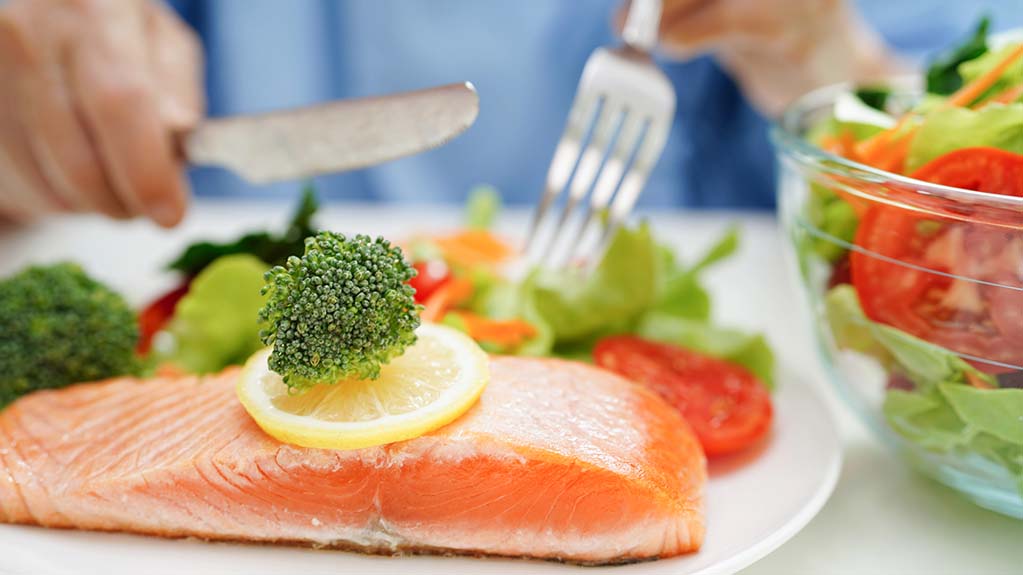
Fish
Fish provides protein and can also supply healthy fats.
The NIA specifically includes seafood among the protein foods older adults should consider regularly.
Chicken or turkey
Lean poultry is a practical protein choice for lunch or dinner.
It is familiar, versatile, and easy to portion.
Beans, lentils, and peas
These foods provide both protein and fiber.
That combination helps make meals more filling.
They are a strong option if you want more plant-based meals. They also help if you want to rely less on meat.
Tofu and fortified soy foods
Soy foods are practical for people who eat little or no meat.
Tofu is easy to add to simple meals. Fortified soy milk can also help increase protein intake.
Milk, kefir, and other dairy foods
These foods can help when appetite is low. They can also be useful when chewing is difficult.
A smoothie with milk or fortified soy milk may be easier than a full meal.
That matters on low-appetite days, not just on perfect ones.
An easy way to eat more protein
Timing matters because protein is easier to use well when it is spread across the day.
Many people make the mistake of treating protein as a dinner-only nutrient.
A better approach is to include some protein at several meals. That might mean eggs or yogurt at breakfast. It could mean tuna or lentils at lunch. Dinner might include fish, chicken, tofu, or beans.
If you are looking at what to eat before and after exercise, this same idea helps there too. Regular protein intake supports recovery better than saving everything for one meal.
Do you need protein powder?
Supplements can help in some cases, but they are not the starting point for most people.
Many older adults can get enough protein from regular food.
Protein powder can be useful when appetite is poor. It may also help when chewing is difficult or meals are often too small. It does not need to be the default.
If you have kidney disease or have been told to limit protein, get medical advice before increasing intake.
The Bottom Line
The main goal is to make protein easier to include in normal meals.
That matters if you want to stay active, maintain strength, and recover better from exercise.
You do not need a perfect diet.
You need a pattern you can repeat.
That may be as simple as eating more Greek yogurt, eggs, fish, beans, or cottage cheese during the week.
Small changes done consistently matter more than an ideal plan you never follow.