

You’re probably treating exercise like punishment instead of self-care.
Stop that.
Find activities you actually enjoy, hiking, dancing, team sports, or biking for errands.
Start with just 5 or 10 minutes daily; consistency beats intensity. Attach movement to things you already do, like evening walks with family.
Pay attention to what happens next: better sleep, clearer thinking, improved mood. These benefits show up within days and fuel your motivation to keep going.
Reframe Exercise as Self-Care, Not Punishment
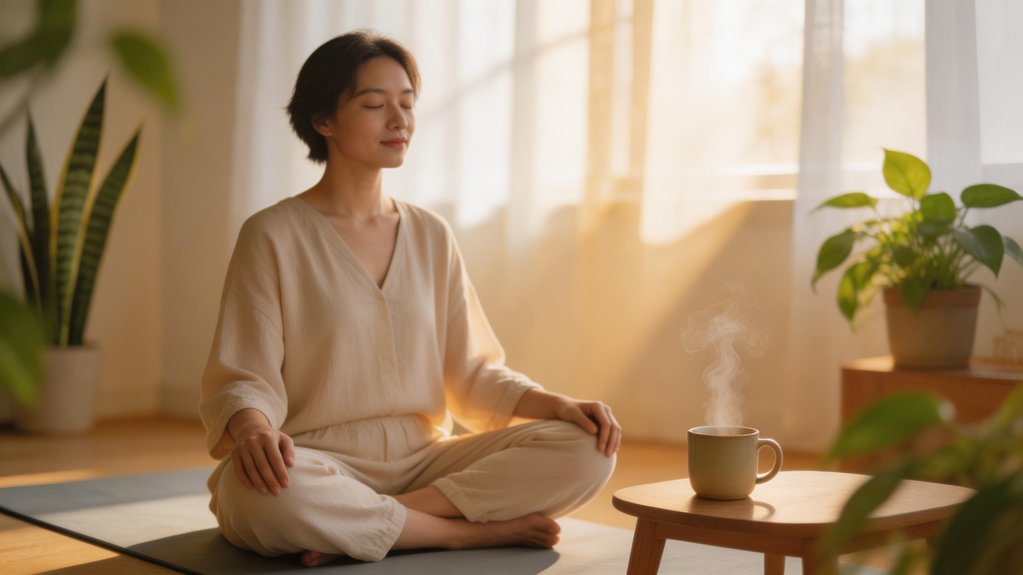
Many people view exercise as something they’ve to do, a punishment for eating too much or a chore like cleaning the bathroom. That mindset sabotages your efforts.
Instead, reframe movement as mindful activity that serves your body and mind. You’re not exercising to earn dessert. You’re choosing activities that make you feel stronger, calmer, and more capable.
This shift transforms exercise from obligation into positive reinforcement. When you walk, swim, or dance because it feels good, not because you “should”, you’re more likely to stick with it.
Strength for the activities you actually do every day comes from functional fitness movements. They translate directly to daily tasks like lifting, bending and climbing stairs.
Self-care means treating yourself with genuine kindness through movement.
Find Activities That Don’t Feel Like Exercise
Once you’ve reframed exercise as self-care rather than punishment, the next step is finding movement you actually enjoy, activities so engaging you forget you’re exercising.
Team sports and active gaming transform exercise into engaging social experiences that naturally build accountability and motivation.
Outdoor adventures like hiking or kayaking provide natural engagement. Family activities such as evening bike rides integrate movement into existing routines.
Walking offers significant health benefits for both physical fitness and overall wellness.
A personal trainer can identify options matching your goals. Community engagement through volunteer work combines physical activity with serving others.
The key is experimenting until you find activities you’ll genuinely return to.
Start With 5 or 10 Minutes, Not an Hour
You don’t need an hour to build an exercise habit. Short activity bursts of five, ten, or fifteen minutes work surprisingly well. Your body benefits from consistent movement regardless of duration.
Start with what feels manageable. A brief walk, some dancing, or quick household tasks count as legitimate exercise. Gradual progress matters more than intensity.
Research shows that optimal walking amounts can deliver significant wellness benefits even when broken into shorter sessions throughout your day.
You’re building momentum, not running a marathon.
Small sessions prove easier to fit into busy days. They’re less intimidating than hour-long commitments.
Once you establish consistency with short activities, you’ll naturally extend your time. You’re serving your future self by starting small today.
Tag Exercise Onto What You Already Love
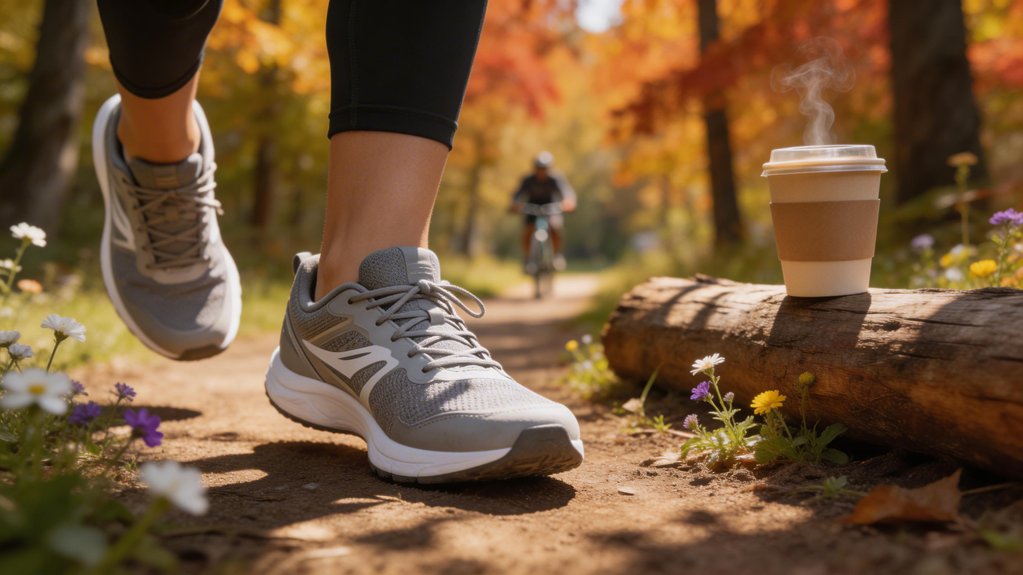
Building short exercise sessions into your routine works great, but here’s the real secret: attach movement to activities you’re already doing.
You’ll stick with exercise when it’s tied to something enjoyable.
- Take a 30-minute walk after dinner while chatting with family
- Volunteer at community gardens combining physical work with social movement
- Go window shopping through climate-controlled malls while walking laps
- Bike ride to run errands instead of driving
These active hobbies blend seamlessly into your life.
Walking is particularly effective for lifelong fitness because it has lower injury rates compared to running and maintains joint health over decades.
You’re not forcing yourself to the gym.
You’re simply moving your body while doing what you’d do anyway.
That’s sustainable.
Pay Attention to How Good You Feel Afterward
After your first few workouts, something shifts in how you feel. You’ll notice increased confidence and capability emerging within days.
Your mood improves noticeably; you’re calmer, sharper, and more capable of handling stress.
This post-exercise enjoyment isn’t just physical; it’s mental and emotional too. Pay close attention to these changes.
Notice how you sleep better, think clearer, and feel happier overall. Regular exercise improves sleep quality by helping your body establish healthier rest patterns and deeper restorative cycles.
These measurable benefits motivate you to continue. When serving others, you’ll show up with more energy and patience.
Track these feelings. They’re your evidence that exercise works beyond the gym.